How the Fotona 4D Laser Facial (TimeWalker) Rejuvenates Skin
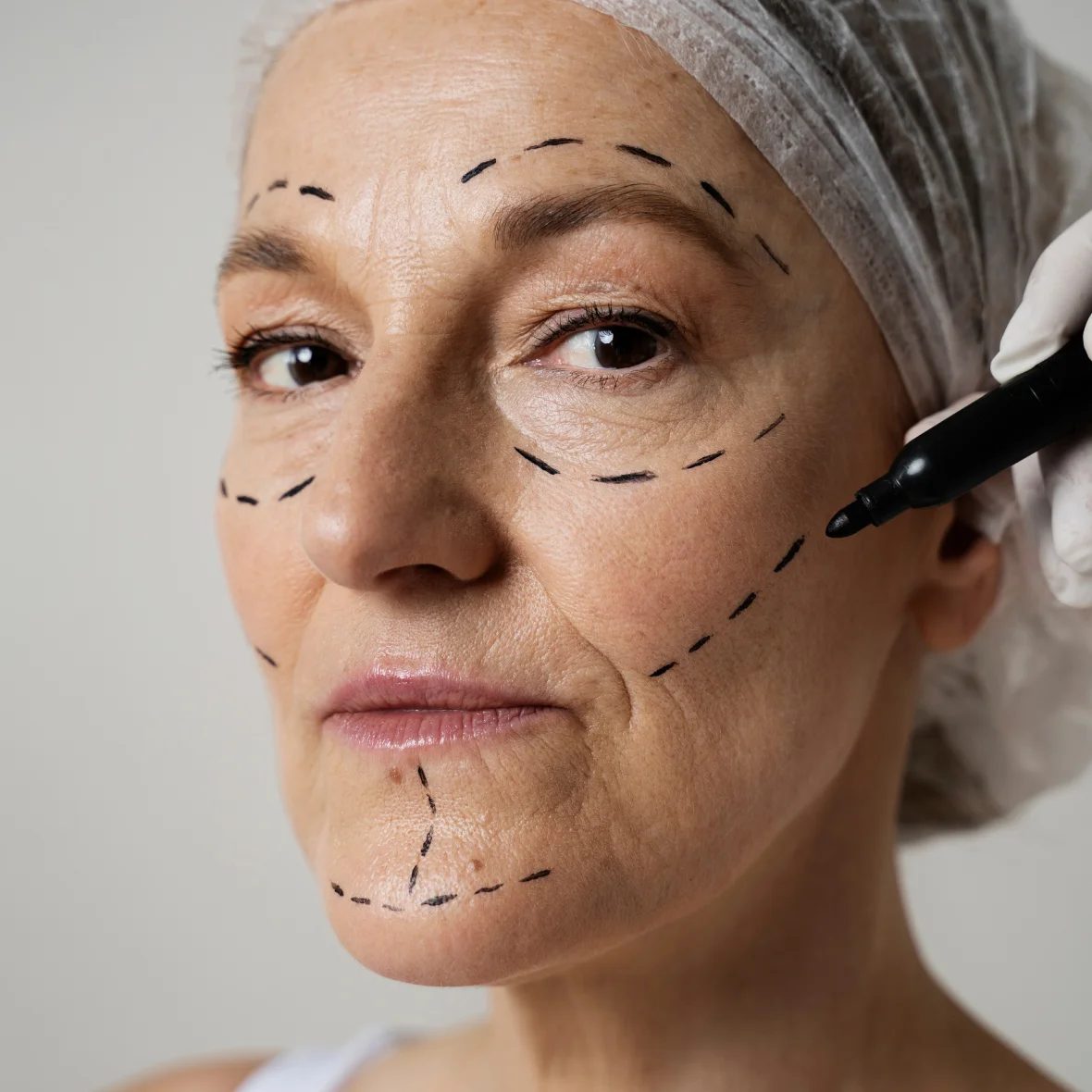
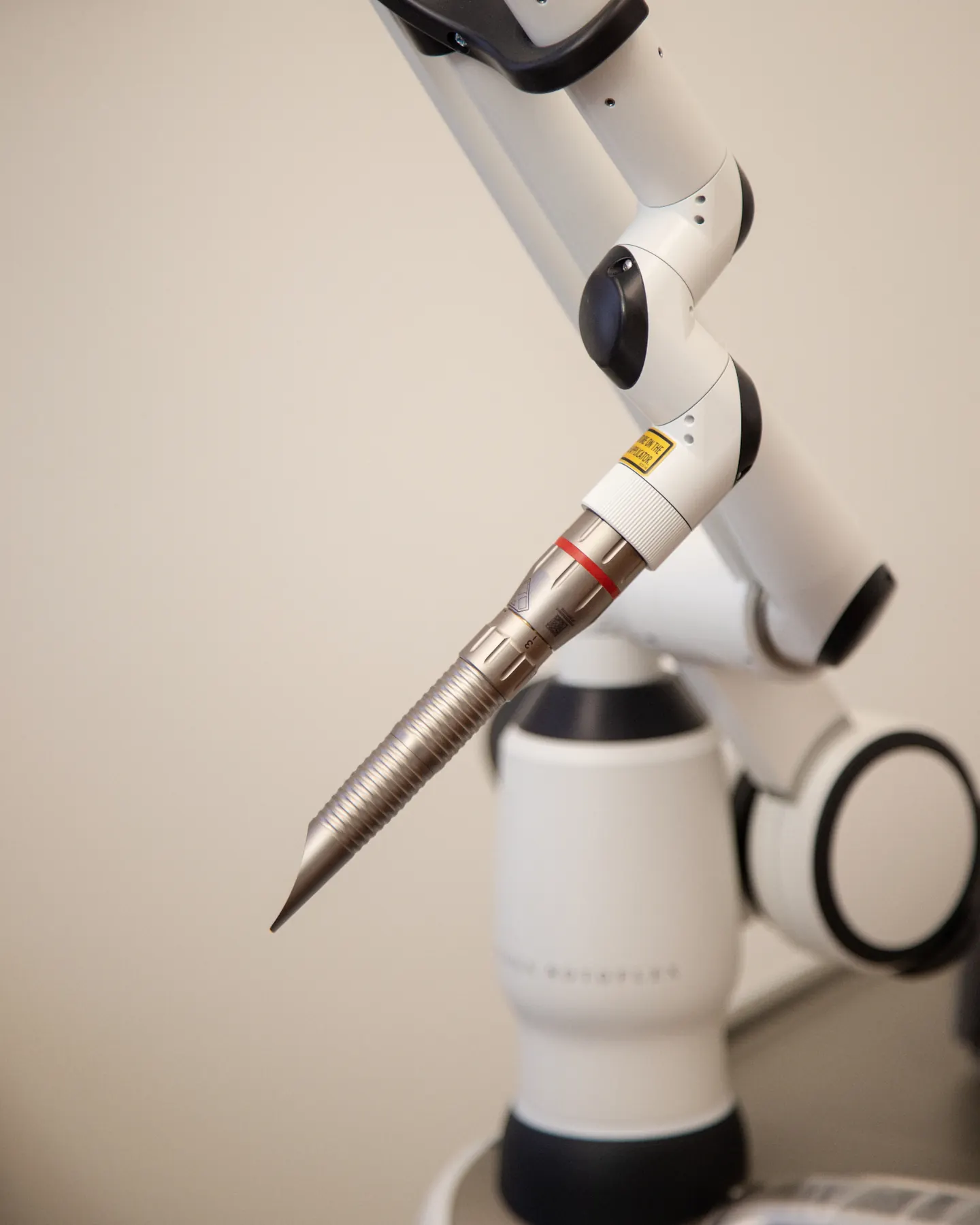
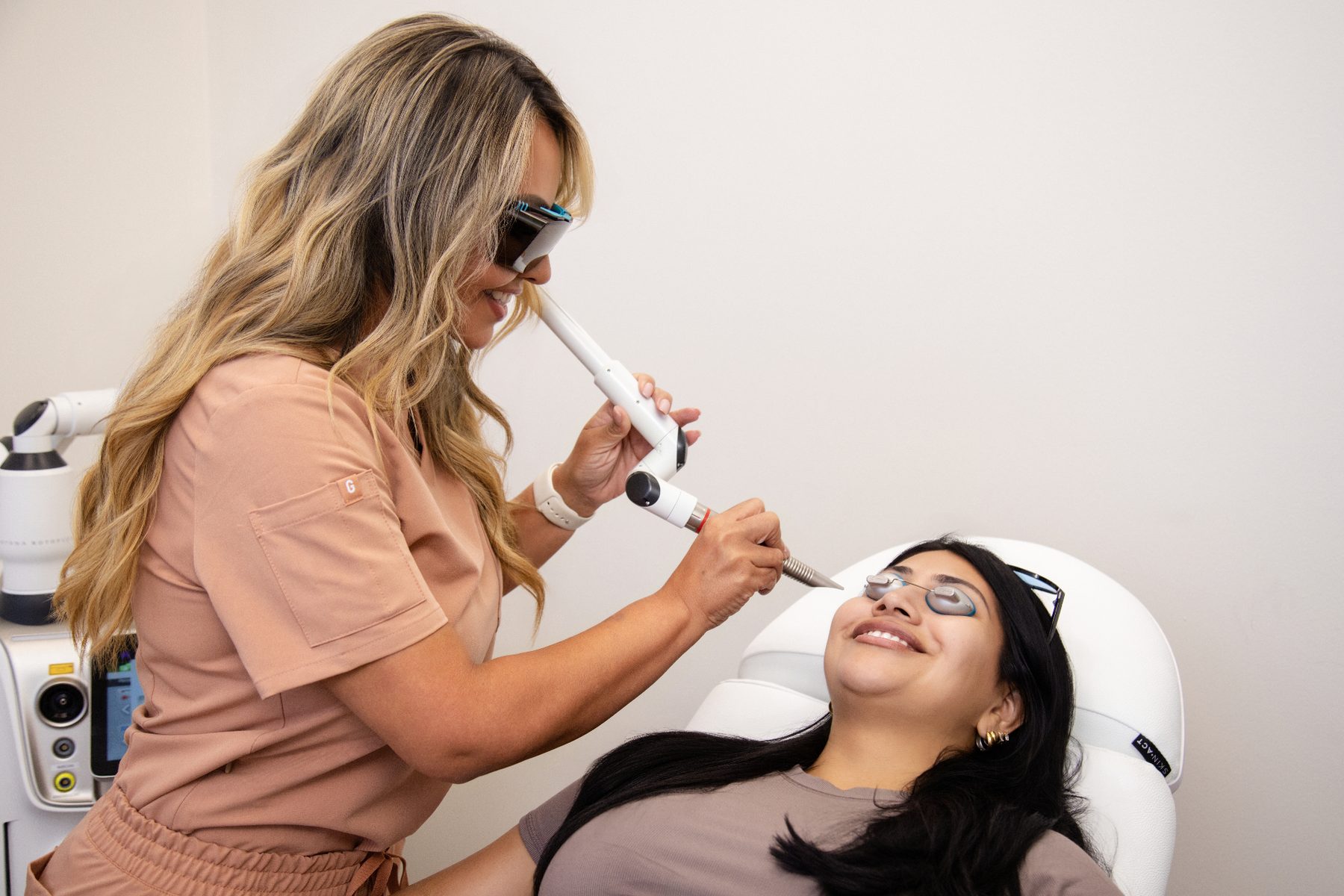
A lot of skin treatments promise rejuvenation. Far fewer can explain, in plain terms, how they create it. The Fotona 4D Laser Facial (TimeWalker) stands out because it is built around a simple clinical idea: treat the skin at multiple depths, from different angles, and in a sequence that encourages both immediate tightening and longer-term collagen remodeling.
That matters because facial aging is never one-dimensional. Fine lines on the surface are only part of the story. There is also laxity in the deeper tissue, loss of definition around the jawline, creasing around the mouth, changes in skin texture, and a gradual decline in the quality of collagen and elastin. A single superficial treatment may brighten the skin for a while, but it often leaves those deeper changes untouched. A layered laser approach tries to address the whole picture.
In practice, that is what makes this treatment interesting. The Fotona 4D Laser Facial (TimeWalker) is not one laser pass and not one setting. It is a protocol that combines different laser modes, typically using Er:YAG and Nd:YAG wavelengths in a planned sequence. Each stage is intended to target a different tissue level or concern. When done well, the treatment can improve tone, texture, laxity, and overall skin vitality without the downtime many patients associate with more aggressive resurfacing.
What “4D” actually refers to
The “4D” in the name can sound like marketing language until you understand the structure of the procedure. It generally refers to four treatment dimensions or modes, each designed to work on a different layer or from a different approach. One of the most distinctive parts is the intraoral step, where the laser is used inside the mouth to heat tissue around the cheeks and perioral area. That surprises many first-time patients, but it makes sense anatomically. Some of the tissue that contributes to smile lines and lower face laxity is easier to influence from the inside than from the surface alone.
The external steps usually include deep thermal stimulation, fractional treatment for texture and pigment irregularity, and a light resurfacing or polishing phase to refine the top layer of skin. The exact settings vary by patient, device platform, provider preference, and treatment goals. That customization is one reason outcomes can differ from clinic to clinic. The machine matters, but technique matters just as much.
This is also why the treatment appeals to people who want a visible result without looking overtreated. It is often described as a “lunchtime laser,” though that phrase can be misleading. The appointment may fit into a busy schedule, but the treatment is still a true medical aesthetic procedure. You should expect heat, some swelling, and a recovery period that is usually mild but not nonexistent.
Why layering works better than a single-focus treatment
Skin rejuvenation tends to be more durable when treatment matches the biology of aging. With age, collagen bundles become less organized, elastin weakens, cell turnover slows, and the skin barrier often becomes less resilient. Sun exposure compounds this, especially in lighter skin types, but the process affects everyone to some degree.
A superficial exfoliating treatment can brighten dullness. A collagen-stimulating treatment can firm the tissue. A vascular or pigment-focused device can address redness or discoloration. Fotona 4D Laser Facial (TimeWalker) The challenge is that most people do not age in just one of those categories. They have a little of each.
The Fotona 4D Laser Facial (TimeWalker) is designed around that reality. Rather than asking one setting to do everything, it divides the job into stages. The deeper heating phase aims to contract tissue and trigger remodeling. The fractional stage creates controlled micro-injuries that encourage repair and fresh collagen production. The lighter finishing step improves reflectivity and feel, which is why the skin often looks smoother and more rested after it heals.
Clinically, this layered strategy tends to work best for patients with early to moderate signs of aging, especially those who are not ready for surgery and do not want extended downtime. It is not a substitute for a facelift in someone with significant lower face or neck laxity. But for the patient who notices softening of the jawline, beginning jowling, creasing around the mouth, or tired-looking texture, it can be a strong option.
The four stages, translated into patient language
Different practices may rename the steps, but the core logic remains fairly consistent. The sequence often includes an internal tightening phase, a deep heating phase from the outside, a fractional rejuvenation phase, and a final superficial polish.
Here is where the treatment earns its reputation. The internal phase can create a subtle support effect around the nasolabial area and perioral region. Patients often say this part feels unusual rather than painful. It is not how people expect a facial treatment to start, yet it can be one of the most valuable components for softening lines around the mouth.
The deep external heating phase usually focuses on the cheeks, jawline, and lower face. This is where thermal energy is delivered to stimulate contraction and collagen activity. The sensation is commonly described as a series of warm pulses. Skilled providers pay close attention to comfort, skin response, and endpoint. You want enough energy to do useful work, not so much that you create unnecessary irritation.
The fractional phase is where texture improvement often begins. Fractional laser creates tiny treatment zones separated by untreated skin. That pattern allows healing to happen more quickly than with fully ablative resurfacing. It is a good compromise for patients who want more than a glow but less than a week of obvious peeling and social downtime.
The final pass tends to smooth and refine the surface. Some patients notice the payoff from this stage quickly. Their skin feels softer, makeup sits better, and the face reflects light more evenly. That polished quality is one of the reasons the treatment photographs well after recovery.
What the treatment feels like in the room
Patients usually come in expecting one of two extremes. They either assume it will be completely effortless because it is called a facial, or they fear it will feel like aggressive resurfacing. The truth is somewhere between those expectations.
Most clinics use topical anesthetic for comfort, particularly if the session includes stronger fractional settings. The internal treatment can feel warm and slightly strange because the handpiece is used inside the mouth. The external tightening passes produce heat that rises and falls with each shot. The fractional step has more bite, especially in thinner areas such as around the mouth or near the orbital rim, though many patients tolerate it well without significant distress.
Afterward, the skin is often pink and warm, similar to a stronger sun exposure. Mild swelling, especially around the cheeks and under-eyes, is not unusual for a day or two. Some people develop a rough, sandpapery texture as the fractional component heals. Others notice only mild redness and dryness. In clinic, I have seen recovery range from “presentable the next morning with tinted SPF” to “better to keep social plans light for three days.” Settings, skin sensitivity, and aftercare all influence where a person falls on that spectrum.
How it rejuvenates skin at the cellular level
The practical explanation is tissue heating and controlled injury. The deeper explanation is wound healing biology. When laser energy is delivered precisely into skin or subdermal tissue, it creates a stimulus the body responds to by repairing and rebuilding. Fibroblasts become more active. New collagen forms over time. Existing collagen fibers can contract, which is partly why there may be a mild tightening effect relatively soon after treatment.
With the Er:YAG wavelength, the device can work more superficially and precisely, making Fotona 4D Laser Facial (TimeWalker) it useful for textural refinement and fractional resurfacing. Nd:YAG penetrates more deeply and is often used for bulk heating and tightening. Together, they allow the provider to stack benefits rather than chase one endpoint.
This dual approach is important because patients often want two things at once: better skin quality and a firmer look. Many treatments do one better than the other. A peel may improve brightness but not laxity. A radiofrequency treatment may stimulate collagen but leave rough texture unchanged. The Fotona 4D Laser Facial (TimeWalker) sits in the middle ground where both can be addressed in one series.
That said, collagen remodeling is slow. Immediate post-treatment glow is not the same as the true final result. The skin often looks fresher within days, but the structural improvement continues over several weeks and, in some cases, a few months. Patients who understand that timeline tend to be happier because they recognize the early glow as the beginning, not the finish line.
Who tends to get the best results
The strongest candidates are usually patients with mild to moderate laxity, early lines, crepey texture, enlarged pores, or a general sense that their skin looks tired. People in their thirties through fifties often fall into this group, though age matters less than skin condition and expectations.
It is especially appealing for patients who want visible change without committing to injectables alone or surgery. In some practices, it is used alongside neuromodulators, fillers, or biostimulatory treatments. That combination can work well because lasers improve the canvas while injectables adjust movement or volume. One does not replace the other.
Patients with severe skin laxity or significant jowling need a more candid discussion. They can still benefit, but the improvement may be modest relative to what they hope to see. A thoughtful provider should say that clearly. In aesthetic medicine, disappointment often comes not from the treatment failing, but from the treatment being asked to do a job it was never designed to do.
Skin type also matters. Many laser systems can be used safely across a range of complexions, but settings must be chosen carefully in darker skin tones because post-inflammatory hyperpigmentation is a real consideration. This is not a reason to avoid treatment automatically. It is a reason to choose an experienced clinic that understands how to adjust energy, pre-treatment prep, and aftercare.
What results usually look like
The word “rejuvenation” can mean almost anything, so it helps to define it. Most successful outcomes look like a rested version of the same face. Skin reflects light more evenly. Fine crinkling softens. The area around the mouth may look less etched. Cheeks can seem slightly firmer. Makeup applies more smoothly. Photos often show improvement in texture before patients notice tightening, because texture changes are easier to see early.
Results are usually cumulative. One session may deliver a nice refresh, but a series often gives a more meaningful shift. Many clinics recommend three treatments spaced several weeks apart, though protocols vary. Maintenance once or twice a year is common for patients who want to hold the result.
A useful way to think about it is this: if a surgical lift is a major structural reset, and a basic facial is a temporary surface boost, the Fotona 4D Laser Facial (TimeWalker) sits in the middle. It can move the needle. It usually does not rewrite the architecture of the face.
Downtime, aftercare, and the small choices that affect healing
Recovery is one of the treatment’s biggest selling points, but it still deserves respect. A smooth recovery is often the result of good instructions followed consistently, not luck.
Most clinicians emphasize a few essentials:
- Keep the skin calm and clean for the first couple of days, using bland, non-irritating products.
- Wear broad-spectrum sunscreen diligently, because fresh post-laser skin is more reactive to UV exposure.
- Pause strong actives such as retinoids, exfoliating acids, and potentially irritating brightening products until the skin barrier settles.
- Avoid heavy heat exposure, including intense workouts, saunas, and steam rooms, for the period your provider recommends.
- Let rough or flaky skin shed naturally rather than scrubbing or picking.
These details sound basic, but they make a real difference. Patients who rush back into active skincare too soon often create redness that they mistake for a poor treatment result. Patients who skip sun protection can trigger pigment issues that were preventable.
One practical point that is often overlooked is timing. If you have a wedding, photo session, or conference, schedule treatment with margin. Do not assume your skin will be perfect in 48 hours just because an average recovery window sounds short. Average is not the same as guaranteed.
How it compares with other popular options
Patients frequently ask whether this is better than microneedling, radiofrequency, IPL, or fractional CO2. Better is the wrong word. The better question is better for what.
Microneedling is useful for texture, mild acne scarring, and general collagen stimulation, often with less heat and less risk of pigment complications when performed appropriately. Radiofrequency treatments focus more on tightening and collagen remodeling, with less resurfacing effect. IPL is aimed at pigment and redness rather than laxity. Fractional CO2 can produce more dramatic resurfacing, but it usually comes with more downtime and a higher intensity recovery.
A short comparison helps clarify where Fotona 4D tends to fit:
| Treatment | Best for | Downtime | Typical trade-off | |---|---|---:|---| | Fotona 4D Laser Facial (TimeWalker) | Mild laxity, texture, early aging changes | Mild to moderate | Subtle to moderate improvement, usually needs a series | | Microneedling | Texture, pores, mild scarring | Mild | Less tightening, slower visible payoff for some concerns | | IPL | Sun damage, redness, brown spots | Mild | Does little for laxity or deeper wrinkles | | Fractional CO2 | Wrinkles, texture, more advanced resurfacing | Moderate to significant | Stronger result, more recovery and more aftercare | | RF tightening | Firmness and collagen support | Mild | Less surface refinement |
This is where experienced judgment matters. A patient with redness and brown spots may be better served by light-based pigment work first. A patient with etched upper lip lines may need a stronger resurfacing approach. A patient with diffuse early aging and no appetite for downtime often lands in the TimeWalker category.
Where expectations should stay realistic
The treatment can improve skin quality and mild laxity, but it cannot restore lost facial volume. It cannot reposition descended tissue the way surgery can. It also cannot erase dynamic lines caused by muscle movement if that movement is the main driver. If forehead lines are your biggest complaint, a laser facial is not the first tool most clinicians would reach for.
There are also patients who expect one session to replicate the effect of multiple modalities combined. That is rarely how aesthetic medicine works. Strong results usually come from matching the right tool to the right problem, then repeating it or combining it thoughtfully.
A good provider will talk openly about limitations. In my experience, the happiest laser patients are not the ones promised the most. They are the ones who were told, accurately, what would likely improve, what might improve, and what probably would not.
Questions worth asking before you book
A consultation should feel specific, not scripted. You want to know whether the clinic performs this treatment often, whether the provider customizes settings by skin type and concern, and what recovery usually looks like in their hands. You also want honest guidance on whether your goals are achievable with this technology.
Ask who performs the treatment, how many sessions are typically recommended for your concerns, and what they would choose instead if you were not a good candidate. That last question is underrated. A clinic that can explain why another treatment might suit you better is often a clinic worth trusting.
It is also reasonable to ask about comfort measures, aftercare products, cold sore prevention if you are prone to outbreaks around the mouth, and how they handle darker skin types. Good laser practices think through these details ahead of time.
The bigger appeal of TimeWalker
What keeps this treatment relevant is not hype. It is the balance it strikes. Many patients want change they can see but do not want a week of hiding at home. They want firmer, smoother, brighter skin without looking altered. They want a treatment that respects the reality of work, childcare, events, and normal life.
The Fotona 4D Laser Facial (TimeWalker) fits that demand well when used for the right patient and with the right expectations. It is sophisticated without being needlessly harsh. It addresses more than one layer of aging. It can be integrated into a broader skin strategy rather than treated like a miracle fix.
That last point matters. Skin rejuvenation is rarely a one-off event. It is usually a combination of treatment, maintenance, sun protection, and realistic pacing. A well-timed laser session can do impressive work, but the best results tend to belong to patients who think in seasons and years, not just single appointments.
Seen through that lens, the treatment makes a lot of sense. It is not trying to overpower the face. It is trying to persuade the skin to behave younger, heal stronger, and look healthier. When that happens, the result is not dramatic in the theatrical sense. It is dramatic in the more valuable sense, people notice you look better, but they cannot quite tell why.
OMNIA Wellness Center
Address: 16430 Ventura Blvd Ste 207, Encino, CA 91436
Phone: (818) 386-8511
FAQ About Fotona 4D Laser Facial (TimeWalker)
What are the benefits of Fotona laser treatment?
OMNIA offers this treatment for concerns such as uneven texture, dull tone, and fine lines. Results and the number of sessions vary, so discuss your goals with a provider.
Is Fotona laser safe?
A qualified provider should review your skin, medical history, medications, and recent sun exposure to determine whether the treatment is appropriate. Ask about possible irritation, pigment changes, and aftercare before booking.
How much does a Fotona 4D facelift cost?
Price depends on the treatment plan and number of visits. Ask OMNIA for an itemized estimate during your consultation.