Fotona Laser Treatments in Encino, CA for a Refreshed Appearance

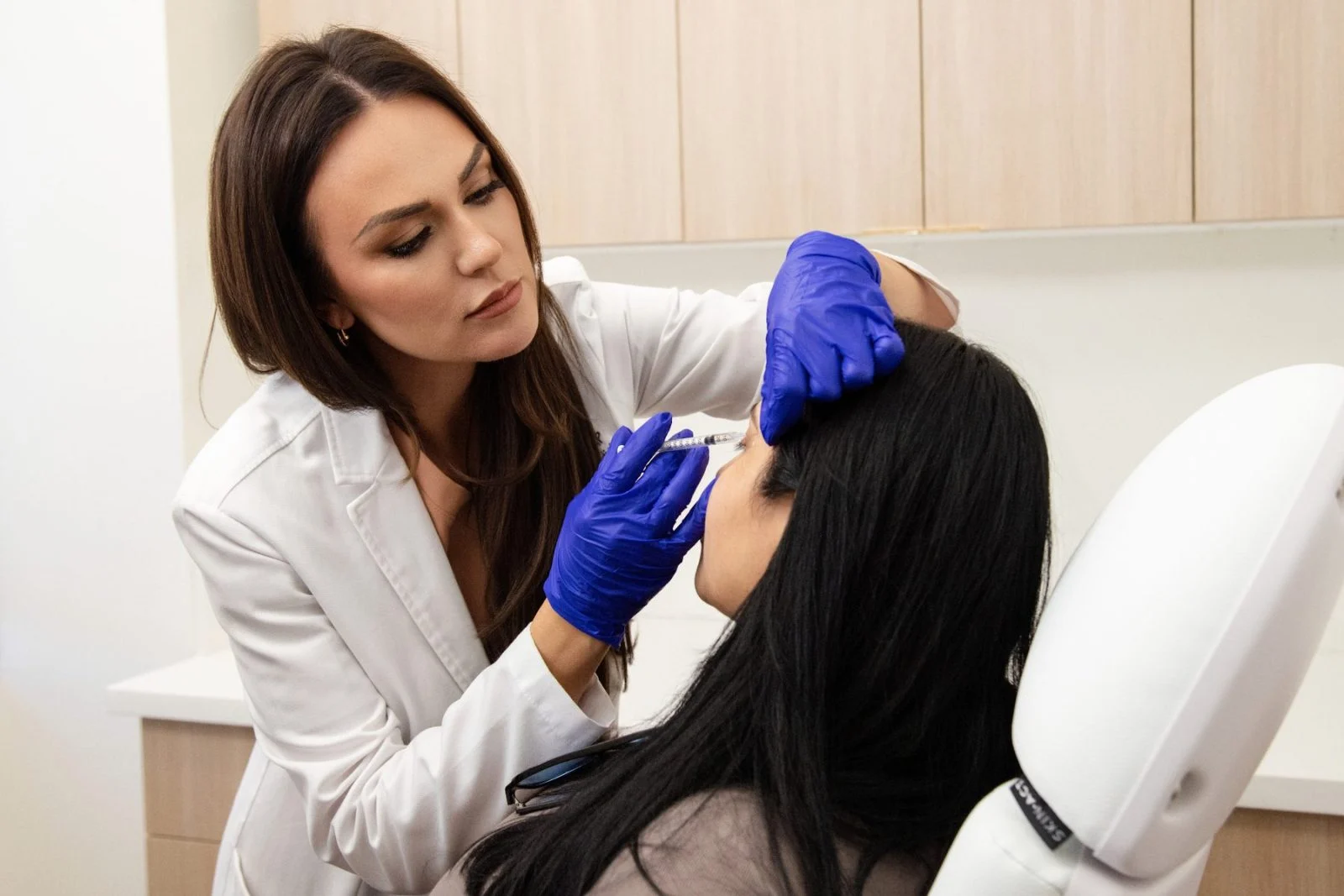
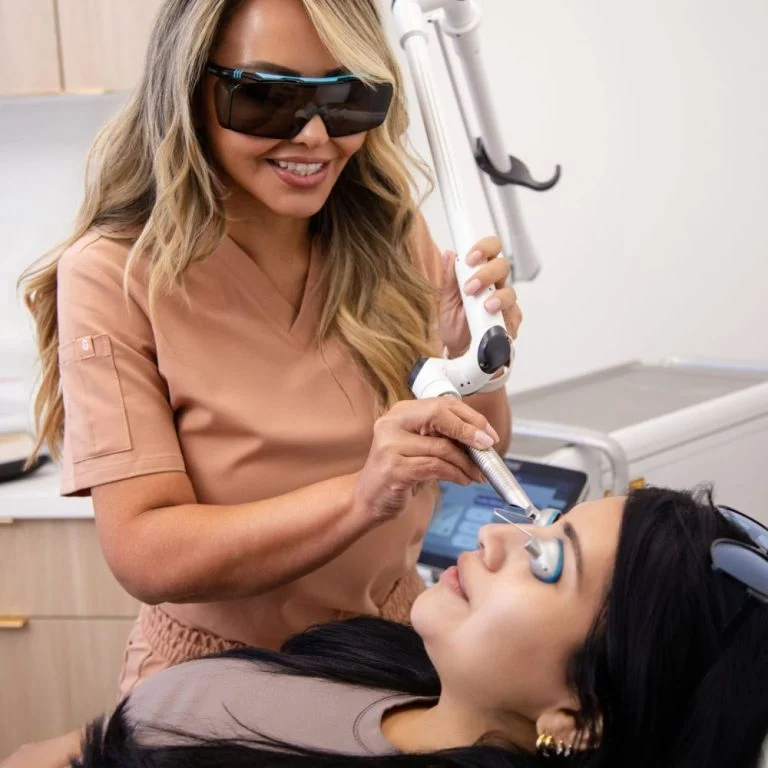
A refreshed appearance rarely comes from a single dramatic change. More often, it comes from careful improvements that make skin look clearer, firmer, smoother, and more even without making a person look unlike themselves. That is one reason Fotona laser treatments continue to draw attention from patients in Encino who want meaningful results with less downtime than older, more aggressive resurfacing approaches.
In practice, Fotona is less about one treatment and more about a platform. It can be adjusted for different concerns, different skin types, and different levels of intensity. Some patients come in hoping to soften fine lines around the mouth. Others are bothered by redness, enlarged pores, textural roughness, acne scarring, or mild skin laxity along the jawline. There are also patients who simply feel that their skin looks tired, especially under bright Southern California light, where uneven pigment and texture become harder to ignore.
When people search for Fotona Laser Treatments Encino, CA, they are often trying to solve two problems at once. They want results they can see, and they want a treatment plan that fits a real life filled with work, school pickups, outdoor events, and social obligations. That balance matters. The best laser treatment is not just effective on paper. It also needs to be realistic for the person sitting in the chair.
Why Fotona stands out
Fotona uses laser energy in a way that can target both superficial and deeper layers of the skin. Depending on the setting and treatment goal, it may focus on resurfacing the outer layers, stimulating collagen deeper beneath the surface, or addressing vascular and pigmented issues with a more selective approach. That versatility is one of its strongest advantages.
In a busy aesthetic practice, versatility is not a small thing. It means a provider can often tailor the treatment instead of trying to fit every patient into the same protocol. A woman in her early forties with crepey lower eyelids and sun damage across the cheeks needs a different approach than a man in his fifties with acne scars and thicker, oilier skin. Even two people with the same age and concern may tolerate downtime differently, heal at different speeds, or have different priorities.
Fotona treatments are also appealing because they can be layered over time. Some patients benefit from a light series that builds improvement gradually. Others are better candidates for a more intensive session with a few days of social downtime. Neither path is inherently better. The right choice depends on skin condition, schedule, budget, and expectations.
What concerns Fotona can address
The phrase “laser treatment” tends to lump very different goals into one category. In reality, Fotona can be used across a fairly wide range of cosmetic concerns when selected and performed appropriately.
It is commonly considered for fine lines, especially around the eyes and mouth, textural irregularities, enlarged pores, acne scarring, mild skin laxity, diffuse redness, and some types of pigmentation. It may also be used in rejuvenation protocols that aim to improve tone and stimulate collagen even when there is no single dominant complaint. That last group is larger than many people realize. Plenty of patients are not chasing one deep wrinkle. They just feel that their face looks less crisp and lively than it used to.
In Encino, where year-round sun exposure is part of daily life, sun damage is a recurring theme. You can often see the pattern clinically: freckles that have merged into patchy brown tone, roughness through the cheeks, redness across the nose, and a dull quality that makeup does not fully cover. For those patients, laser treatment can play an important role, though the exact settings and timing have to be chosen carefully. Fresh tans, recent sunburns, and inconsistent sunscreen use can complicate treatment.
The appeal of non-surgical rejuvenation
Most patients are not asking for a total transformation. They want to look rested, less worn down, and a little more polished. That is where non-surgical rejuvenation has real value. A treatment like Fotona can improve skin quality in ways injectables cannot. Neuromodulators relax muscle movement. Fillers restore volume. Lasers improve the canvas itself.
That distinction matters because skin quality often gives age away even when facial volume is well maintained. A smooth cheek with better reflectivity, fewer visible pores, and a more even tone can make a bigger difference than many people expect. It changes how light hits the face. It softens the signs of chronic sun exposure. It often helps patients look healthier, not just younger.
This is especially relevant for people who are camera-facing, client-facing, or simply detail-oriented about their appearance. Encino has no shortage of people who notice subtle skin changes. They may not want anyone to know they had treatment. They just want to hear, “You look good. Did you get more sleep?”
What treatment feels like
The experience depends on the type of Fotona treatment being performed. Some sessions feel warm and prickly, with quick flashes over the skin and only mild discomfort. Others, particularly more intensive resurfacing sessions, feel sharper and may require a topical numbing cream beforehand. Patients often ask if it hurts. The honest answer is that comfort varies widely by treatment depth, treatment area, and individual sensitivity.
For lighter rejuvenation sessions, most people tolerate treatment well. They describe heat, a snapping sensation, and temporary tenderness afterward. For stronger resurfacing, there may be more significant heat and post-treatment redness, along with a few days where the skin feels tight and looks pink or bronzed before it begins to shed.
It helps to set expectations correctly. A patient who expects a lunch-hour facial may be frustrated if they leave red and warm. A patient who expects weeks of downtime may be pleasantly surprised by how quickly the skin settles. Managing that gap between expectation and reality is one of the most important parts of any laser consultation.
Downtime, healing, and what to expect after
Healing is usually more manageable when patients understand the rhythm of recovery. The skin often looks pink right after treatment. Depending on intensity, there may be swelling, warmth, dryness, a sandpaper-like texture, or bronzing before flaking begins. With lighter settings, these effects may fade in a day or two. With stronger resurfacing, the skin may need closer to five to seven days before it looks presentable to most patients.
That window matters for practical reasons. It is not just about physical healing. It is about meetings, weekend plans, and whether someone feels comfortable being seen without makeup. In Encino, patients often schedule treatment around work from home days, quieter social weeks, or stretches when they can be less sun-exposed.
One practical point deserves emphasis: post-treatment sun protection is not optional. Freshly treated skin is more vulnerable, and careless UV exposure can undercut results or increase the risk of unwanted pigmentation issues. This is one area where even motivated patients can slip, Fotona Laser Treatments Encino, CA especially if they feel good after a few days and assume the skin is “back to normal.”
Who tends to be a good candidate
A strong candidate for Fotona laser treatment is not defined by age alone. Skin type, concern, treatment history, health conditions, medications, and lifestyle all matter. So does patience. Laser results often unfold in stages, especially when collagen remodeling is part of the goal.
People who do well with treatment usually share a few traits:
- They have a clear concern, such as texture, fine lines, redness, pores, or mild laxity.
- They understand that improvement may require a series, not a single session.
- They can follow aftercare closely, especially strict sun protection.
- They have realistic expectations about what laser treatment can and cannot do.
- They are willing to disclose medications, skin sensitivities, and recent tanning honestly.
On the other hand, there are moments when caution is wise. Recent isotretinoin use, active skin infections, open lesions, uncontrolled melasma, frequent cold sores, fresh tans, or a history of abnormal scarring may affect timing or candidacy. This does not always mean a person cannot have treatment, but it does mean the plan may need adjustment.
Why consultation quality matters more than marketing
Laser marketing can make every treatment sound universally safe, effortless, and transformative. Real clinical decision-making is more nuanced. The same device can produce excellent results in one scenario and disappointing results in another if the wrong setting, wrong indication, or wrong treatment timing is chosen.
A good consultation should go beyond “What bothers you?” It should include an assessment of skin type, degree of photoaging, pigmentation pattern, medical history, healing tendencies, and tolerance for downtime. Providers should also ask what matters most to the patient. Are they preparing for an event in six weeks? Are they more bothered by redness than wrinkles? Would they rather improve gradually with minimal downtime, or are they open to a stronger reset?
This is where experience shows. An experienced provider can often spot the issue a patient is naming and the issue that is actually driving the appearance. Someone may point to folds around the mouth, but the broader problem could be textural roughness and loss of reflectivity across the entire lower face. Another patient may request aggressive resurfacing for pigment when a more conservative approach would reduce the risk of rebound discoloration.
The Encino factor: sun, lifestyle, and realistic planning
Treating skin in Southern California comes with its own realities. Even patients who “do not tan” are usually exposed to significant incidental UV light through driving, walking the dog, sitting at outdoor restaurants, or running errands. Encino patients are often active, busy, and outdoors more than they think. That changes laser planning.
Timing can make a big difference. Fall and winter are often easier seasons for more intensive resurfacing because sun avoidance is somewhat less burdensome. Spring and summer treatment can still be appropriate, but aftercare has to be taken seriously. Hats, sunscreen reapplication, shade, and common sense become part of the treatment plan.
There is also a local preference for results that look polished but not obvious. Patients often want fresher skin, not overt signs of having “had work done.” Fotona fits that preference well when used thoughtfully, especially in protocols that improve quality and tightness without changing facial identity.
How many sessions are usually needed
This depends on the concern and the intensity of each session. Mild textural improvement and glow may appear after one treatment, particularly if the skin is in decent shape to begin with. Acne scars, deeper wrinkles, and more entrenched sun damage often require a series. A common pattern in aesthetic medicine is somewhere between three and five sessions for lighter rejuvenation work, spaced several weeks apart, though stronger treatments may be done less frequently.
Patients should know that results do not always peak immediately. Some improvement comes from the initial resurfacing effect, but deeper collagen remodeling can continue over the next few months. That delay is not a flaw. It is part of how the skin responds biologically. In practical terms, someone starting treatment for a wedding, reunion, or filming schedule should not wait until the last minute.
Pairing Fotona with other treatments
Fotona can be part of a broader rejuvenation plan rather than a standalone fix. In many cases, that combination approach produces the most balanced result. Smooth skin with unaddressed dynamic lines may still look tired. Relaxed forehead muscles with rough, blotchy skin may still read as aged.
When appropriate, Fotona may be combined with or sequenced around other treatments such as neuromodulators, fillers, chemical peels, microneedling, or medical-grade skincare. The order matters. The spacing matters. The patient’s skin barrier matters. Good treatment plans are not built like restaurant menus where everything can be ordered at once.
A sensible plan often considers these points:
- what problem is primary
- what treatment gives the highest payoff first
- how much downtime the patient can tolerate
- whether the skin barrier is healthy enough for energy-based treatment
- how to maintain results after the initial correction phase
Even excellent laser work can be undermined by poor maintenance. Patients who continue smoking, skip sunscreen, use irritating skincare, or drift in and out of treatment usually see less durable improvement.
Common misconceptions about laser rejuvenation
One persistent misconception is that laser treatment always means weeks of peeling and hiding indoors. That may be true for some aggressive resurfacing approaches, but it is not true of every Fotona protocol. Another misconception is that one treatment can erase years of damage. Sometimes the marketing language encourages that belief, but skin does not usually respond in such a dramatic, linear way.
There is also confusion around the idea of “tightening.” Mild to moderate tightening can happen, particularly when collagen stimulation is part of the protocol, but this is not a substitute for surgery in patients with significant skin laxity. The jawline that needs lifting from surgery will not become a surgical jawline from laser alone. Still, many patients do not need surgery. They need a moderate improvement in texture and firmness, and they are pleased with that level of change.
A final misconception is that all lasers are the same. They are not. The device matters, the settings matter, and the provider matters just as much.
Questions worth asking before booking
Patients often focus on cost first, which is understandable, but value comes from appropriateness and execution, not from the lowest number on a quote. A cheap laser session that is poorly selected or weakly performed is not a bargain. A more carefully planned treatment that addresses the actual concern usually serves the patient better.
Ask what specific concern the treatment is meant to improve. Ask how much downtime is expected, not just the best-case scenario. Ask whether a series is likely. Ask what skincare should be stopped before treatment. Ask how recent sun exposure affects timing. Ask what happens if you are prone to cold sores or post-inflammatory pigmentation. These are not minor questions. They shape safety and satisfaction.
What results tend to look like in real life
The best Fotona results are often described in understated ways. Skin looks smoother when makeup goes on. Pores look less pronounced in bathroom lighting. Fine lines soften enough that concealer stops settling as noticeably. The face reflects light better. There is less of that dry, fatigued texture that no cream seems able to fix.
Friends may notice, but they usually cannot identify exactly what changed. That is often the mark of a well-chosen aesthetic treatment. It supports the face rather than dominating it.
For some patients, the biggest payoff is confidence without makeup. For others, it is looking more energetic in meetings or photos. And for many, it is the relief of seeing progress in an area that had felt stubborn for years, especially with acne scarring or cumulative sun damage.
A measured path to a refreshed appearance
Fotona laser treatments offer a practical middle ground for people who want visible rejuvenation without committing to surgery or relying only on injectables. In Encino, where sun exposure, busy schedules, and a preference for natural-looking results often shape treatment decisions, that balance makes sense.
The most successful Fotona Laser Treatments Encino, CA outcomes tend to come from honest assessment, individualized settings, and realistic expectations. Not every patient needs aggressive resurfacing. Not every patient should chase maximum intensity. Often, the better choice is the one that fits the skin, the season, and the person’s actual life.
For those considering Fotona Laser Treatments Encino, CA, the real question is not whether the technology sounds impressive. It is whether the treatment plan is specific, appropriate, and grounded in experience. When it is, the results can be quietly significant: clearer skin, softer lines, better texture, and a face that looks refreshed in a way that still feels entirely like you.
OMNIA Wellness Center
Address: 16430 Ventura Blvd Ste 207, Encino, CA 91436
Phone number: +18183868511
FAQ About Fotona Laser Treatments Encino, CA
What is a Fotona laser good for?
A Fotona Laser system is a versatile, dual-wavelength medical laser used primarily for non-surgical skin tightening, anti-aging rejuvenation, and dermatological treatments.
How much does the Fotona laser cost?
The cost of a Fotona laser depends heavily on whether you are looking to purchase a laser machine for a medical practice or are a patient seeking a laser treatment at a medspa.
Is a Fotona laser worth it?
A Fotona laser treatment is generally worth it if you want non-surgical skin tightening, improved texture, and collagen stimulation with very little downtime.