Fotona 4D Laser Facial (TimeWalker) for Smoother, Tighter Skin
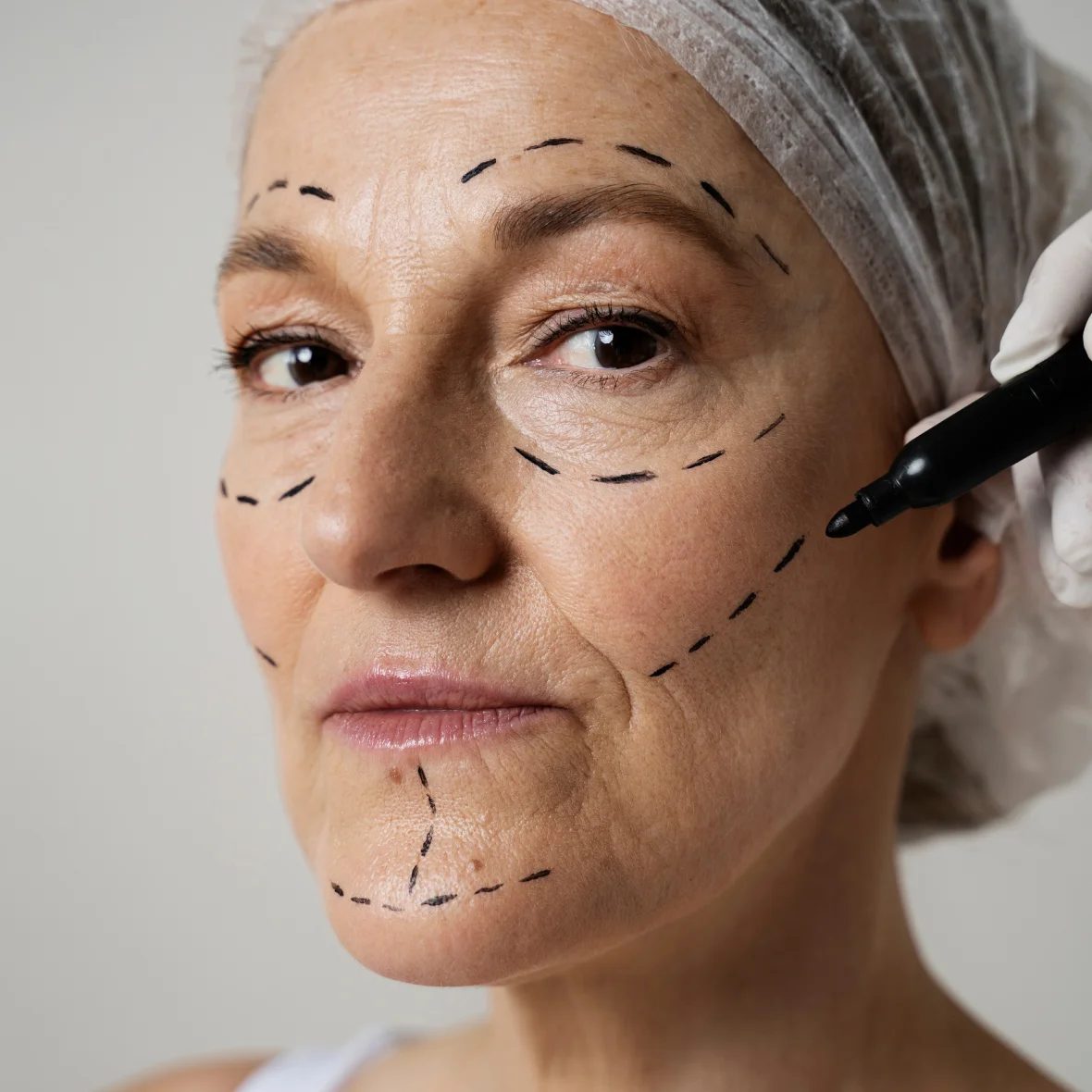
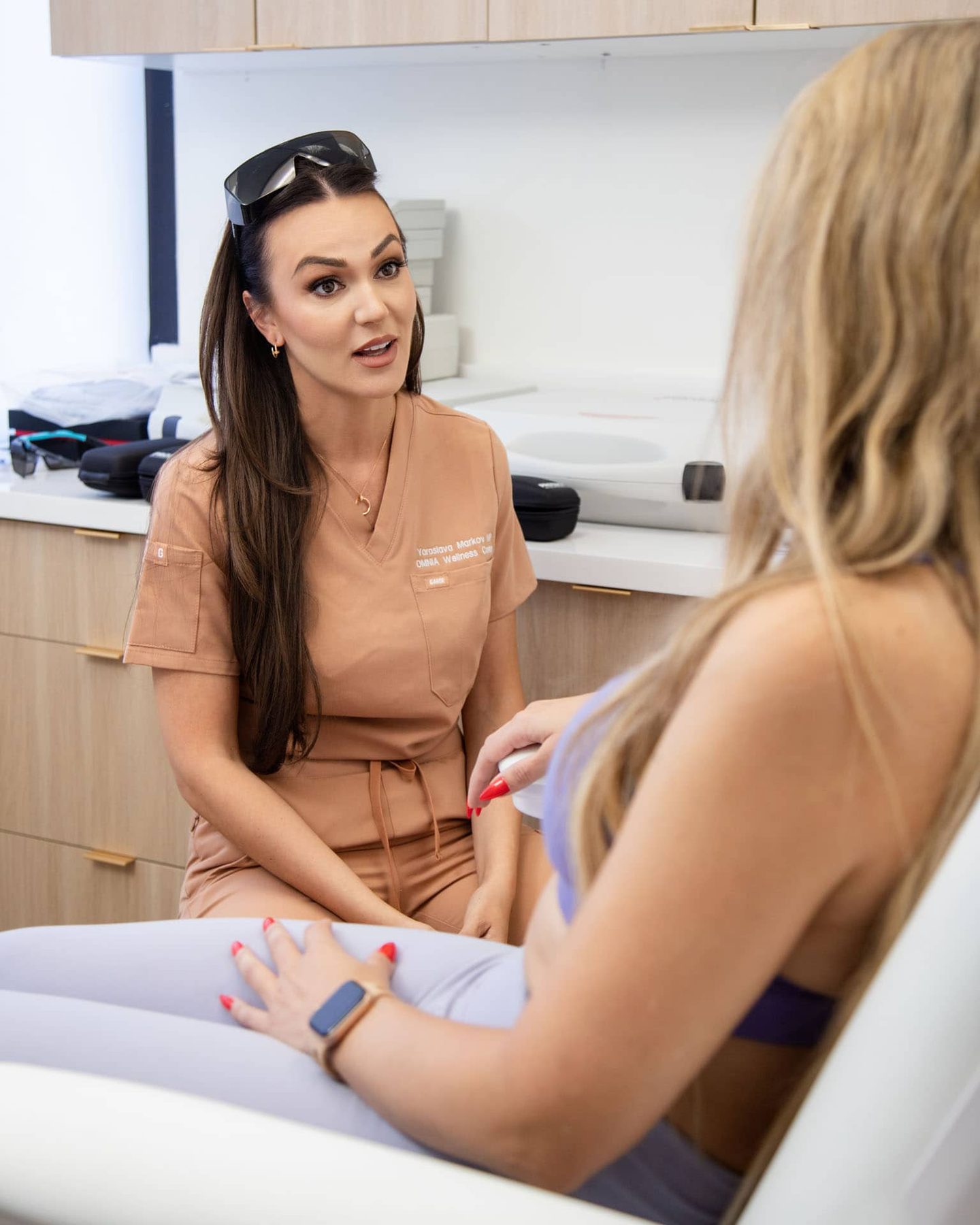
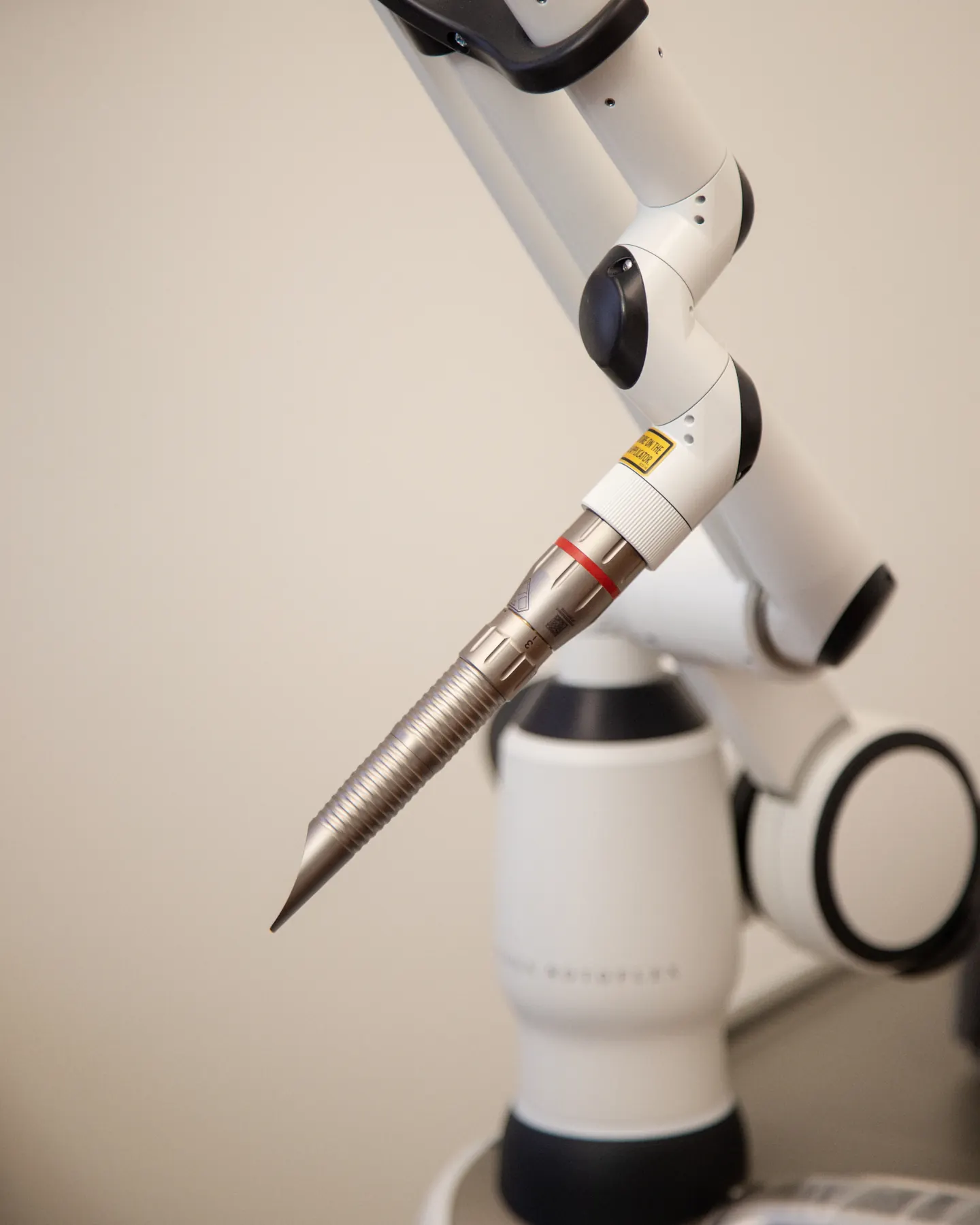
The appeal of a treatment like the Fotona 4D Laser Facial (TimeWalker) is easy to understand. Most people are not looking for a dramatic, obvious change. They want skin that looks rested, a jawline that appears a little firmer, fine lines that stop catching the light, and texture that feels smoother when makeup goes on. They want that without the extended recovery that comes with more aggressive resurfacing or surgery.
That is where Fotona 4D has carved out its place. It is a non surgical laser treatment designed to address laxity, fine lines, uneven texture, and overall skin quality by working at multiple tissue depths in the same session. The treatment is often performed using the TimeWalker platform, which is known for combining different laser modes in a sequence intended to tighten, stimulate collagen, and refresh the skin from both the inside and the outside.
Patients often hear the words “4D” and assume it is marketing shorthand. There is branding involved, certainly, but there is also a practical reason behind the name. The treatment is built around four distinct stages, each targeting a different layer or concern. That layered approach is what makes it feel different from a single pass laser facial or a one note tightening treatment.
What the Fotona 4D Laser Facial (TimeWalker) actually is
At its core, Fotona 4D is a combination laser procedure that uses two laser wavelengths, typically Nd:YAG and Er:YAG, in a planned sequence. Instead of treating only the skin surface, it works internally and externally. One portion may be delivered inside the mouth along the cheeks, which is unusual the first time you hear it described, but that intraoral step is part of what helps target nasolabial folds and lower face laxity from another angle.
The treatment is usually broken into four modes. Names can vary slightly by clinic, but they generally include a smooth intraoral tightening phase, a deeper fractional or bulk heating phase, a superficial tightening phase, and a light polishing or resurfacing pass. The idea is not simply to “blast” the skin. It is to warm collagen carrying structures at different depths, trigger a wound healing response the skin can use, and refine the surface enough to improve tone and texture.
That distinction matters. Patients often compare every laser to a fully ablative resurfacing treatment. Fotona 4D is not that. It usually sits in a middle ground. It is more active and often more comprehensive than a basic lunchtime facial laser, but it is not intended to mimic the downtime or intensity of a deep ablative CO2 treatment. For the right person, that middle ground is exactly the point.
Why the TimeWalker platform gets so much attention
Not all laser platforms are interchangeable, even when clinics describe them in similar terms. TimeWalker has earned attention because it allows practitioners to stack multiple laser steps in a single session with a fairly controlled workflow. That matters in real practice. Consistency is part of good outcomes.
A skilled operator can tailor settings based on skin thickness, age related change, redness, sensitivity, acne scarring, and the patient’s tolerance for downtime. Someone in their late thirties with early lower face softening needs a different plan than someone in their sixties with more established laxity and etched lines. The same device can be adjusted, but the judgment behind those adjustments is where results start to separate.
Patients sometimes focus heavily on the machine, and less on the person holding it. That is a mistake. The platform matters, but so does the clinician’s understanding of anatomy, heat management, skin behavior, and realistic endpoints. A good treatment plan does not chase maximum intensity. It tries to produce visible change without crossing into unnecessary irritation, post treatment inflammation, or pigment problems.
How the four dimensions work together
The first phase often draws the most curiosity because it is performed inside the mouth. During this step, the laser is used to heat tissue along the inner cheeks. That controlled heating can stimulate collagen remodeling in the area corresponding to the nasolabial folds and mid to lower face. It sounds intimidating, but many patients tolerate it better than expected. It feels warm and a little strange, more than painful.
The second phase typically goes deeper. This is where bulk heating of the skin can help stimulate tightening and improve overall firmness. You may not walk out looking immediately “lifted,” because collagen remodeling takes time, but this deeper thermal work is part of what gives the treatment a longer arc of improvement over the following weeks and months.
The third phase tends to focus on the skin surface and near surface structures with a tightening intent. This can help refine the look of pores, improve crepiness, and add that slightly firmer finish patients describe as looking more polished rather than obviously treated.
The final pass is often the light resurfacing or polishing component. It is not always aggressive enough to create heavy peeling, though some mild roughness or bronzing can happen depending on settings. Think of it as the stage that helps bring the skin texture and tone into line with the deeper tightening work happening underneath.
When the treatment is done well, the result is not just about one wrinkle or one fold. It is the combined effect: skin that reflects light a little better, sits a little tighter over the contours underneath, and feels denser over time.
Who tends to benefit most
Fotona 4D usually works best for patients who want visible rejuvenation but are not ready for surgery and do not want significant recovery. It is often a strong option for early to moderate signs of aging, especially in the mid face, lower face, around the mouth, and for general skin dullness or texture changes.
The people most pleased with it are usually those who understand what it can and cannot do. It can improve mild laxity, soften fine lines, and support better skin quality. It cannot remove deep static folds the way a facelift repositions tissue, and it does not replace volume loss treatment when hollowing is the real issue.
A good candidate often fits several of these points:
- mild to moderate skin laxity
- fine lines around the mouth, cheeks, or lower face
- dull or uneven skin texture
- interest in collagen stimulation with limited downtime
- realistic expectations about gradual improvement
Skin tone also needs thoughtful consideration. Many lasers can be used safely across a range of skin types, but settings and treatment plans must be adapted. In darker skin tones, the margin for error with heat and inflammation can be narrower, particularly if there is a history of post inflammatory hyperpigmentation. That does not automatically rule the treatment out, but it does raise the bar for careful assessment and conservative technique.
What a session feels like
People usually want to know one thing before anything else: does it hurt?
The honest answer is that it is tolerable for most patients, but comfort varies by the stage of the treatment and the individual’s sensitivity. The intraoral step feels unusual and warm. The deeper heating portions can feel prickly or hot in waves. The resurfacing stage may feel like quick snaps with building heat. Topical numbing may be used, though not every clinic approaches comfort the same way. Some rely on numbing cream, some add cooling strategies, and some adjust settings for first time patients.
A full face session commonly takes somewhere around 45 to 90 minutes depending on the protocol, whether the neck is included, and how much customization is involved. Immediately afterward, most patients look pink to moderately red, as if they have had a brisk workout or spent time in wind and sun. Mild swelling can occur, especially around the mouth and cheeks.
In practice, I have found that patients often divide into two camps. One group says it was easier than expected and is back to routine quickly. The other feels quite warm and puffy for a day or two and would not schedule it right before a major event. Both reactions are normal. This is why timing matters.
The results timeline is gradual, which is both a strength and a frustration
One of the more common misunderstandings about Fotona 4D Laser Facial (TimeWalker) treatments is expecting a dramatic overnight omniawellnesscenterencino.com Fotona 4D Laser Facial (TimeWalker) transformation. There can be an early glow once initial redness settles, and some people notice a mild tightening effect relatively quickly because tissues have been heated. The more meaningful changes, though, generally build over time.
Collagen remodeling is slow biology. You are often looking at several weeks for early improvement and a few months for fuller results to declare themselves. Many clinics recommend a series, often three sessions spaced several weeks apart, though this can vary depending on age, baseline skin quality, treatment intensity, and budget. Maintenance sessions are also common because skin continues to age and collagen stimulation is not permanent.
That slower timeline is a double edged sword. On one hand, results tend to look natural. Friends may comment that you look fresher or well rested without being able to identify a procedure. On the other hand, patients who want a single treatment with instant, dramatic lifting may feel underwhelmed if they were not counseled properly.
It helps to think of Fotona 4D less as a one off fix and more as a structured skin remodeling program. It is often best for people who appreciate cumulative improvement.
How it compares with other treatments people commonly consider
Patients rarely shop for one treatment in isolation. They are usually comparing options, even if they do not say it out loud. Fotona 4D often gets weighed against radiofrequency microneedling, IPL, non ablative fractional lasers, ultrasound tightening, traditional resurfacing lasers, and injectables.
Compared with IPL, Fotona 4D usually goes deeper into tightening territory. IPL is excellent for pigment and redness in the right candidate, but it is not primarily a collagen tightening treatment.
Compared with radiofrequency microneedling, the difference is partly about mechanism and partly about preference. RF microneedling creates controlled injury with needles and heat, which can be useful for scars, pores, and moderate textural issues. Fotona 4D avoids needles and includes that intraoral component, which some practitioners feel gives it an edge for specific lower face concerns.
Compared with a more aggressive ablative laser, Fotona 4D generally offers less downtime and less risk, but also less dramatic correction in heavily lined or sun damaged skin. A patient with etched smoker’s lines, advanced laxity, and significant photodamage may need a stronger intervention than Fotona 4D alone can deliver.
Compared with filler, the conversation is even more nuanced. If facial aging is mostly due to volume loss, no amount of surface tightening will recreate structural support in the same way filler or biostimulatory injectables can. Yet if someone already has enough volume and simply needs tissue tightening and skin refinement, adding filler may make them look puffy rather than better. This is where assessment matters more than trends.
Downtime, side effects, and the trade offs worth knowing
One reason this treatment has remained popular is that it usually offers a favorable downtime to results ratio. “Minimal downtime” is often true, but that phrase can be misleading if it is interpreted as “no visible recovery at all.”
Most patients can expect temporary redness, warmth, and mild swelling. Some have a sandpapery texture for a few days. Others notice dryness or slight flaking, especially if a stronger polishing pass was used. Makeup can often be worn relatively soon, depending on how the skin looks and how aggressive the session was.
Less common but important risks include prolonged redness, irritation, acne flare, cold sore reactivation in those prone to it, and pigment changes. Pigment issues are not inevitable, but Fotona 4D Laser Facial (TimeWalker) they deserve respect. Any treatment that creates heat can trigger post inflammatory hyperpigmentation, especially in patients with melanin rich skin or a history of discoloration after procedures.
The other trade off is simple: lower downtime usually means more modest single session results than you would get from a more intense treatment. Many people are perfectly happy with that bargain. Some are not. Neither reaction is wrong. The key is matching the treatment to the person, not selling every person the same treatment.
Preparation and aftercare shape the outcome more than people realize
A well performed laser session starts before the laser turns on. Patients who tan right before treatment, overuse active exfoliants, or arrive with irritated skin make the procedure harder to perform safely. Likewise, aftercare influences how smoothly the skin recovers.
The pre treatment instructions vary by clinic, but the basics are straightforward. Sun exposure should be limited, self tanner should be avoided, and any history of cold sores should be discussed because preventive medication may be appropriate if the mouth area is involved.
After treatment, the skin needs a quiet period. This is not the time to test a new acid, scrub away roughness, or sit in a steam room for an hour. A simple routine works best:
- gentle cleanser, lukewarm water, no scrubbing
- bland moisturizer used consistently
- broad spectrum sunscreen every morning, reapplied if outdoors
- no retinoids, exfoliating acids, or harsh actives until the skin has settled
- avoid intense heat, heavy exercise, and direct sun for the first day or two if advised
Patients who follow aftercare usually recover more comfortably and protect their results better. Patients who feel fine and immediately go back to strong acids, hot yoga, and unprotected sun tend to learn the harder lesson.
Cost, treatment plans, and what influences value
Pricing varies widely by region, clinic reputation, provider credentials, and whether the treatment includes the face alone or the neck and other areas. In many markets, a single session sits somewhere in the mid to upper hundreds or into the low thousands of dollars. A series is often offered at a package rate.
Cost should be evaluated alongside treatment goals. A cheaper treatment that does not address the real problem is not good value. Neither is an expensive plan built around vague promises. A worthwhile consultation should explain why Fotona 4D is being recommended, what degree of change is realistic, how many sessions are likely, and whether another option would address the concern more directly.
This is especially important for patients chasing “tightening.” That word is used loosely in aesthetics. True skin laxity responds differently from heaviness caused by volume descent, enlarged masseter muscles, or facial fullness. Not every lower face concern is a laser concern.
Questions worth asking at a consultation
A thoughtful consultation tells you almost as much as the treatment itself. Ask how often the provider performs Fotona 4D. Ask what settings or protocol they tend to use for concerns like yours. Ask what they expect you to notice after one session versus a series. Ask how much downtime is typical in their hands, not in a brochure. If you have melanin rich skin, ask specifically about their experience treating your skin tone and how they reduce pigment risk.
Photos can help, but only if they are honest. Good before and after images show similar lighting, angles, and expressions. They also show realistic changes, not miraculous ones. Be cautious around portfolios where every patient appears transformed beyond what a non surgical treatment can usually achieve.
One sign of a good clinician is a willingness to say no, or at least not yet. If your skin barrier is inflamed, if your expectations are out of step with the likely result, or if another treatment would suit you better, restraint is a strength, not a weakness.
Where the treatment shines, and where it falls short
Fotona 4D shines in the patient who wants refreshment rather than reinvention. It is especially attractive for those with mild to moderate laxity, early textural aging, and a desire for low to moderate downtime. It works well for the person who wants to look better in ordinary daylight, not just in filtered photos.
It falls short when the issue is severe laxity, heavy jowling, major volume loss, or deeply etched lines that need stronger resurfacing or structural correction. It can be part of the answer in those cases, but rarely the whole answer. Sometimes the best plan combines treatments over time. Sometimes the best answer is to wait and choose a different intervention later.
That honesty is important because laser treatments are often marketed in broad, glowing language. The reality is more interesting than the marketing. Fotona 4D is not magic, and it is not trivial. It sits in a very useful middle category, where meaningful improvements are possible without the disruption of a major procedure, provided the indication is right and the treatment is performed with judgment.
The bottom line for smoother, tighter skin
For the right candidate, the Fotona 4D Laser Facial (TimeWalker) can be a smart, versatile way to improve skin smoothness, firmness, and overall quality. Its strength lies in its layered design. By treating tissue from multiple angles and depths, it often produces a fresher, tighter look that reads as believable and natural.
The most satisfied patients are rarely the ones looking for a miracle in one afternoon. They are the ones who understand that skin improvement is often cumulative, that collagen takes time, and that good aesthetic work should fit the face rather than overpower it. When approached that way, Fotona 4D earns its reputation not because it promises everything, but because in the right hands, it does a lot of things well.
OMNIA Wellness Center
Address: 16430 Ventura Blvd Ste 207, Encino, CA 91436
Phone: (818) 386-8511
FAQ About Fotona 4D Laser Facial (TimeWalker)
What are the benefits of Fotona laser treatment?
OMNIA offers this treatment for concerns such as uneven texture, dull tone, and fine lines. Results and the number of sessions vary, so discuss your goals with a provider.
Is Fotona laser safe?
A qualified provider should review your skin, medical history, medications, and recent sun exposure to determine whether the treatment is appropriate. Ask about possible irritation, pigment changes, and aftercare before booking.
How much does a Fotona 4D facelift cost?
Price depends on the treatment plan and number of visits. Ask OMNIA for an itemized estimate during your consultation.