Fotona 4D Laser Facial (TimeWalker) for Skin Tightening and Renewal
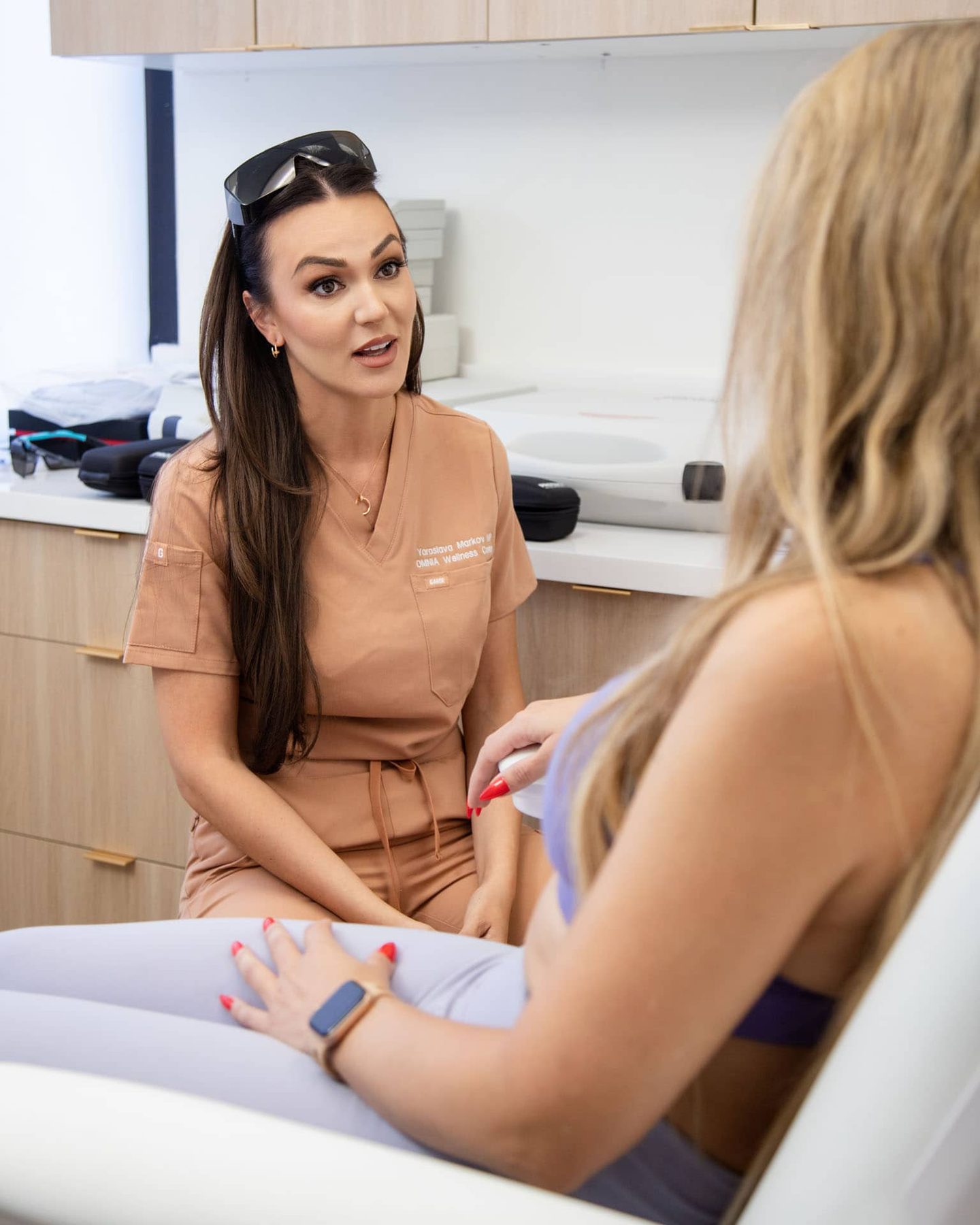
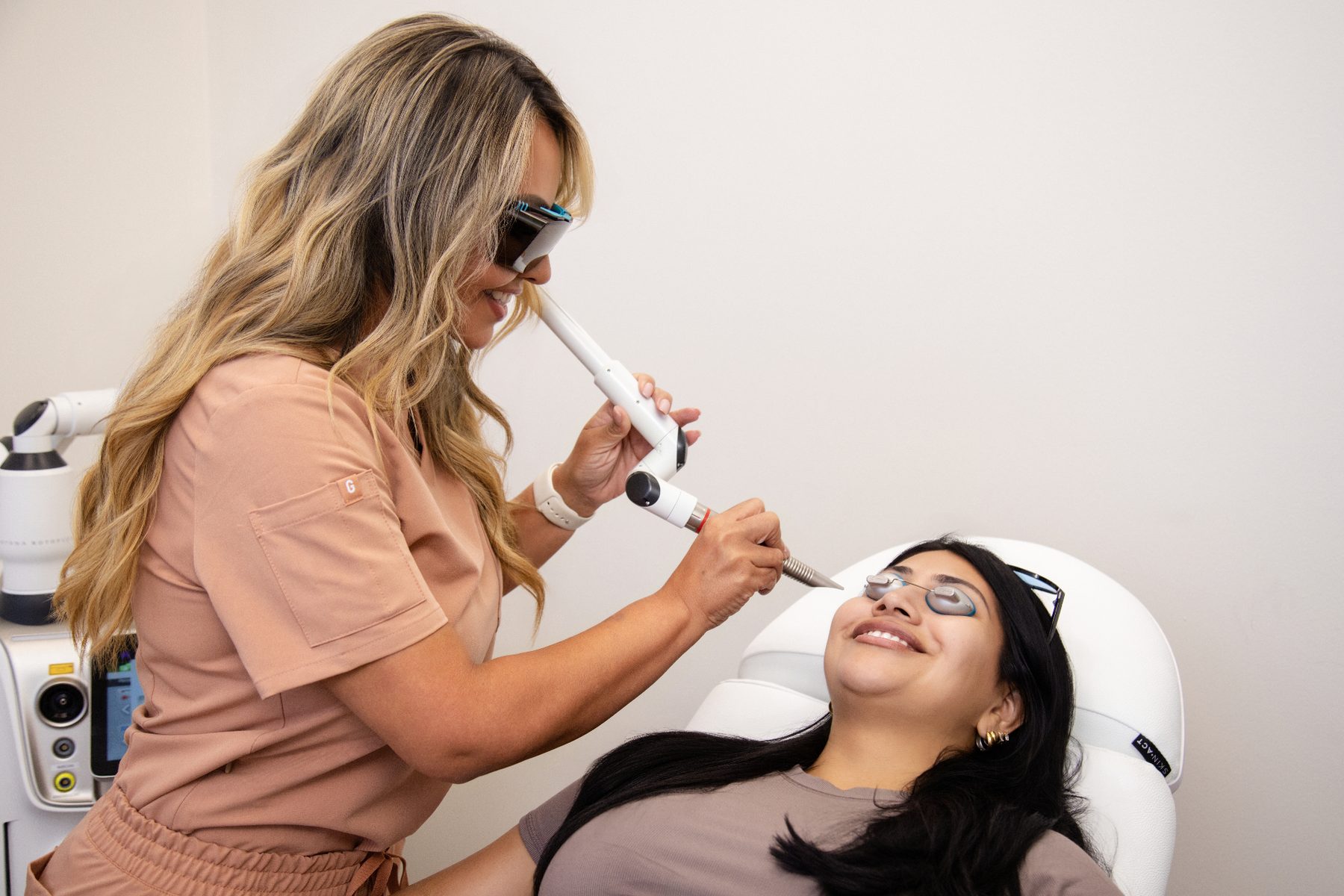
The appeal of non-surgical skin rejuvenation is easy to understand. Many people want firmer skin, better texture, and a fresher overall look, but they do not want the downtime, cost, or commitment of surgery. They also do not want a treatment that leaves them hiding at home for a week. That is where the Fotona 4D Laser Facial (TimeWalker) has carved out a real place in aesthetic practice.
It is not a facial in the spa sense, despite the name. It is a structured laser treatment designed to address skin laxity, tone, texture, and early to moderate signs of aging by working on both superficial and deeper layers of tissue. What makes it distinctive is the combination of intraoral and external laser steps, each targeting a different concern. In practical terms, that means the treatment can help with mild sagging around the lower face, crepey skin, softening around the nasolabial area, uneven texture, and a generally tired-looking complexion.
For the right patient, it can be an excellent middle ground between light laser facials that offer only a glow and more aggressive resurfacing that demands significant recovery. That middle ground is exactly why clinicians keep it in rotation.
What the treatment actually is
Fotona 4D is a multi-step laser protocol performed with Fotona technology, often discussed alongside the TimeWalker platform or treatment concept. The idea is layered rejuvenation. Rather than relying on one pass or one wavelength alone, the treatment uses a sequence of laser modes to create tightening, controlled heating, and surface renewal.
One of its most talked-about elements is the intraoral step. The laser is used inside the mouth along the cheeks, which sounds unusual at first, but there is a clear reason for it. Treating tissue from the inside can stimulate collagen contraction and remodeling in areas that affect the appearance of the nasolabial folds and the mid-to-lower face. It is one of the few non-surgical modalities that tries to approach facial support from that angle.
The external portions of the treatment then build on that foundation. Depending on settings and individual needs, these steps can target deeper dermal heating, skin tightening, and light resurfacing. The result is not the abrupt, overly polished look some patients worry about with stronger procedures. More often, the outcome is that people look better rested, slightly firmer, and more even-toned.
That subtlety matters. In clinic settings, the happiest patients are often the ones who want comments like “you look well” rather than “what did you have done?”
Why the four dimensions matter
The “4D” branding refers to four treatment modes or stages, each with a different purpose. Marketing language can make these sound more mysterious than they are, but the concept is straightforward. One step targets tissue from inside the mouth, another step heats deeper layers externally, another addresses specific imperfections, and the final pass refreshes the surface.
This stacked approach is often more useful than a single-purpose laser session because aging is rarely a one-layer problem. Skin does not loosen only at the surface. Fine lines do not emerge in isolation from collagen loss. Texture changes, enlarged pores, laxity, and dullness tend to travel together. A treatment that recognizes that complexity usually performs better than one trying to solve every issue with a single setting.
In practice, this is why Fotona 4D Laser Facial (TimeWalker) can be attractive for patients in their late thirties through sixties, especially those with mild to moderate laxity. A person may not be ready for surgery, but they may be past the stage where peels or basic facials offer enough return. They want something measurable, but still manageable.
How it works beneath the skin
Laser rejuvenation often gets oversimplified into the phrase “stimulates collagen,” which is true but incomplete. Controlled laser energy heats tissue in precise ways. At certain depths and temperatures, that heating can trigger immediate contraction in existing collagen fibers and set off longer-term remodeling as the skin repairs itself. Over time, the treated tissue may become somewhat firmer and more organized.
With Fotona 4D, the treatment can influence several visible issues at once. The internal and deep-heating phases are more focused on tightening and support. The surface-oriented phase is more about polish, texture, and radiance. This matters because skin quality affects perceived age almost as much as sagging does. A face with good light reflection, smaller-looking pores, and smoother texture often looks younger even before any major lifting occurs.
Patients sometimes expect a dramatic instant result after one session. A little post-treatment tightness or brightness may show up quickly, but the more meaningful change tends to unfold gradually. Collagen remodeling is not immediate. It usually develops over weeks and continues to improve with a series.
That point is worth emphasizing because expectations determine satisfaction. If someone wants a one-time event result before a wedding in three days, this is not the ideal choice. If they want progressive improvement with low disruption, it becomes much more compelling.
What a session feels like
The treatment experience is usually easier than patients fear, especially those who hear the word “laser” and imagine severe pain. Sensation varies by step. The intraoral portion can feel odd more than painful, with warmth and pressure inside the cheeks. External passes often feel like bursts of heat or a snapping warmth, depending on settings. Most people tolerate it well with topical numbing, though comfort measures differ by clinic and by aggressiveness of treatment.
A full session commonly takes somewhere around 45 to 90 minutes, depending on how extensive the plan is and whether other areas are included. Afterward, the skin is often pink and warm, similar to a moderate sun exposure. Some patients develop mild swelling, especially around the cheeks or under-eye area. The surface polishing stage can leave the skin feeling dry or rough for a short period.
What stands out in real-world practice is how quickly many people return to normal activities. Some go back to work the same day or the next day, especially if the resurfacing portion is conservative. Others prefer a buffer of 24 to 72 hours if they are prone to redness or if stronger settings were used. That range is important. Clinics that promise “zero downtime” often oversimplify. Minimal downtime is more accurate than none.
Who tends to benefit most
The best candidates are usually those with early or moderate skin aging who want tightening and renewal without surgery. They may notice softening of the jawline, mild heaviness through the lower face, fine wrinkling around the mouth, or textural changes that make the skin look less crisp. This treatment often suits people who are realistic, patient, and interested in cumulative improvement.
It can also fit the patient who has done injectables and wants to improve the canvas itself. Neuromodulators can relax expression lines. Fillers can restore volume. But neither replaces the textural and tightening benefits that energy-based treatments can provide. Used thoughtfully, they are complementary rather than competitive.
Skin type and medical history still matter. Darker skin tones can often be treated safely Fotona 4D Laser Facial (TimeWalker) when parameters are chosen carefully, but that does not mean every provider has equal experience. Recent tanning, active infections, certain inflammatory skin conditions, and some medications may alter timing or suitability. The consultation is not a formality here. It is where treatment success is often decided.
Where it sits compared with other options
Patients usually compare Fotona 4D with radiofrequency microneedling, fractional resurfacing, ultrasound-based tightening, and more familiar names like IPL or chemical peels. Each has a different strength profile.
Radiofrequency microneedling can be excellent for textural change, acne scarring, and moderate tightening, particularly when deeper dermal remodeling is needed. It does, however, involve needles, pinpoint downtime, and sometimes a rougher recovery window than patients expect. Fractional ablative lasers can produce stronger resurfacing, but with more redness, peeling, and social downtime. Ultrasound-based treatments can reach deeper support structures, but the surface improvement may be limited. IPL helps pigmentation and visible redness but is not really a tightening treatment.
Fotona 4D often earns its place by being balanced. It offers meaningful rejuvenation across several dimensions without the downtime of more aggressive resurfacing. That balance is its strongest selling point and also its limitation. It is versatile, not absolute. It can do many things fairly well, but it will not replace a facelift in a patient with significant laxity, nor will it match deep ablative resurfacing for etched-in lines and severe photodamage.
This is the sort of trade-off that honest providers discuss early. Overselling non-surgical tightening leads to disappointment. Used for the right degree of aging, it performs much better.
What kind of results are realistic
Patients usually want to know two things: how much improvement they can expect, and how long it lasts. Those are reasonable questions, but the answers depend on baseline skin quality, age, sun damage, lifestyle, and whether the treatment is done as a single session or a series.
Most people notice the first signs of improvement in brightness and skin smoothness before they see real tightening. That sequence makes sense because surface changes show early, while collagen remodeling takes longer. By several weeks to a few months, the face may look a bit firmer, finer lines may soften, and the overall skin quality may seem more refined. The effect is often easiest to appreciate in photographs rather than the mirror, because gradual change can be hard to register day to day.
A series of treatments generally outperforms a single session. In practice, many clinics recommend around three sessions spaced several weeks apart, followed by maintenance based on skin goals and rate of aging. Some patients do one strong annual refresh, while others build it into an ongoing skin program.
Longevity is variable. Good skincare, sun protection, stable weight, and not smoking all help preserve results. The laser can stimulate better tissue behavior, but it cannot stop the biology of aging or offset chronic sun exposure.
Areas that often improve most
Certain concerns respond especially well to the Fotona 4D Laser Facial (TimeWalker) approach. The lower face is a major one, particularly where mild laxity creates an early loss of definition rather than heavy jowling. The perioral region can also benefit, especially when skin around the mouth starts to look finely lined or less taut. Patients with enlarged pores, rough texture, and general dullness often appreciate the finishing effect of the resurfacing stage.
The under-eye area is more nuanced. Some improvement in skin quality may be possible, but expectations must stay conservative. Thin, delicate under-eye skin and issues caused by fat pads or structural hollowing do not respond the same way as mild textural crepiness. This is a common example of where good assessment matters more than enthusiasm.
Acne scarring can sometimes improve, particularly if scarring is mild and texture-driven, but it is usually not the first-line reason to choose this treatment. There are more targeted options if scars are deep or tethered.
The consultation questions that matter
A useful consultation goes beyond “Am I a candidate?” The quality of the discussion often predicts the quality of the result. Patients should understand what concern is being treated, which part of the protocol addresses it, and what the likely endpoint is.
Here are the questions worth asking before you book:
- What specific concerns do you think this treatment will improve on my face, and which concerns will it not improve much?
- How many sessions do you recommend for my skin, and why?
- What is the expected downtime based on the exact settings you plan to use?
- Do you have before-and-after photos of patients with concerns similar to mine?
- If my main issue is laxity, how does this compare with other tightening options you offer?
These questions steer the conversation toward judgment and customization rather than sales language. That is where patients usually get the clearest picture.
Recovery is usually easy, but aftercare still matters
Because this is often marketed as a lunch-hour treatment, some people underestimate aftercare. Recovery may be light compared with stronger lasers, but the skin is still responding to controlled injury and heat. What you do in the following days influences comfort and appearance.
The basics are familiar but Fotona 4D Laser Facial (TimeWalker) important:
- Keep the skin hydrated with a gentle moisturizer and avoid harsh exfoliants for several days.
- Use broad-spectrum sunscreen diligently, especially if there is any lingering pinkness.
- Skip active ingredients such as retinoids, strong acids, or abrasive scrubs until your provider says it is appropriate.
- Avoid excessive heat exposure, including very hot workouts, saunas, and steam rooms for at least a short recovery window.
- Let any roughness or flaking shed naturally rather than picking at it.
Most complications from lighter resurfacing treatments are not dramatic medical events. They are often preventable annoyances such as prolonged redness, irritation from using the wrong skincare too soon, or post-inflammatory pigmentation after sun exposure. Good aftercare reduces those risks.
What can go wrong, even with a well-liked treatment
Every energy-based treatment has potential downsides, and a professional discussion should include them. With Fotona 4D, common short-term effects include redness, swelling, sensitivity, dryness, and temporary roughness. These are generally manageable. Less common problems can include persistent irritation, breakouts, cold sore reactivation in those prone to it, or unwanted pigment changes, particularly if the skin is not protected from sun.
The biggest practical risk is often not injury, but mismatch. A patient with advanced laxity may spend a substantial amount on a treatment that provides only subtle change because the technology was asked to do more than it can. Another patient may have significant pigmentation issues and assume a tightening-focused laser will solve them fully, when a different device or combined approach would have been more efficient.
Provider skill matters here. Parameter selection, treatment layering, and understanding when not to treat aggressively can make a meaningful difference. In aesthetic medicine, the machine matters, but the operator matters more.
Combining it with other treatments
Combination planning is often where excellent outcomes happen. Fotona 4D can be part of a broader strategy rather than a stand-alone answer. A patient with sun damage and vascular redness may still need a pigment or vessel-specific treatment. Someone with dynamic forehead lines may get more visible improvement from neuromodulators in that region than from laser alone. A face that has lost structural volume may benefit from conservative filler or biostimulatory treatments in addition to skin tightening.
That said, restraint is often underrated. Patients do not always need everything at once. One of the smarter ways to approach facial rejuvenation is to stage treatments. Improve skin quality first, then reassess whether volume restoration or further tightening is still needed. Once the skin looks brighter and firmer, some concerns appear less severe than they did at the starting point.
This is especially true in people who have begun to look tired but not markedly aged. They often benefit from skin-first treatments because quality, not quantity of intervention, changes the overall impression.
Cost and value, viewed realistically
Pricing varies by market, provider, and treatment intensity, so broad numbers are more honest than exact ones. In many practices, a single Fotona 4D session falls into the mid-to-premium non-surgical range, and a series represents a meaningful investment. Whether it is “worth it” depends less on sticker price and more on fit.
For someone hoping to avoid surgery for now and improve several issues at once with limited downtime, the value can be strong. For someone chasing dramatic lifting from a single non-invasive treatment, the same cost may feel disappointing. This is why cost should be discussed alongside expected degree of change, not separately.
A useful way to think about it is this: the treatment tends to deliver refinement, not reinvention. If refinement is the goal, patients are often pleased. If reinvention is the goal, better options may exist, even if they involve more downtime or a different budget structure.
The role of TimeWalker branding
Patients sometimes see “TimeWalker” in addition to Fotona 4D and wonder whether it is a different treatment. In many settings, TimeWalker refers to Fotona’s broader treatment platform or concept for aesthetic laser rejuvenation, with protocols that can include 4D-style facial work. The specifics can vary by clinic, machine configuration, and provider technique.
That is why it is worth asking exactly what will be done in your session rather than relying on the label alone. Names travel easily across websites and social media, but treatment depth, settings, and goals are what shape outcomes. Two clinics may advertise similar wording yet deliver notably different experiences.
When I would steer a patient toward it, and when I would not
A thoughtful recommendation depends on the person in front of you. I would consider Fotona 4D strongly for someone with mild to moderate facial aging, early skin looseness, textural dullness, and a desire for visible but natural-looking change without significant social downtime. It is also a good fit for the patient who understands that a series is usually better than a one-off treatment and who values skin quality as much as lifting.
I would hesitate if the main issue were heavy jowling, pronounced neck laxity, or very deep etched lines that really call for stronger resurfacing or surgical correction. I would also be careful in the patient who has an important event too soon, highly reactive skin, or unrealistic expectations built on dramatic online before-and-afters.
That judgment is not a criticism of the treatment. It is the reality of matching tool to problem, which is the foundation of good aesthetic medicine.
A treatment that earns its place by being balanced
The Fotona 4D Laser Facial (TimeWalker) has stayed relevant because it addresses a real demand. Many people want more than a glow, but less than a procedure that reshapes their week. They want tightening, smoother texture, and better skin tone, and they want it delivered in a way that feels medically sophisticated without becoming life-disrupting.
When chosen for the right face and done by an experienced provider, it can deliver that balance very well. The results are usually not theatrical, and that is part of the appeal. Skin looks healthier. Features seem a bit sharper. The face appears more rested. For a large share of patients, that is exactly the point.
OMNIA Wellness Center
Address: 16430 Ventura Blvd Ste 207, Encino, CA 91436
Phone: (818) 386-8511
FAQ About Fotona 4D Laser Facial (TimeWalker)
What are the benefits of Fotona laser treatment?
OMNIA offers this treatment for concerns such as uneven texture, dull tone, and fine lines. Results and the number of sessions vary, so discuss your goals with a provider.
Is Fotona laser safe?
A qualified provider should review your skin, medical history, medications, and recent sun exposure to determine whether the treatment is appropriate. Ask about possible irritation, pigment changes, and aftercare before booking.
How much does a Fotona 4D facelift cost?
Price depends on the treatment plan and number of visits. Ask OMNIA for an itemized estimate during your consultation.