Fotona 4D Laser Facial (TimeWalker) for Natural-Looking Rejuvenation
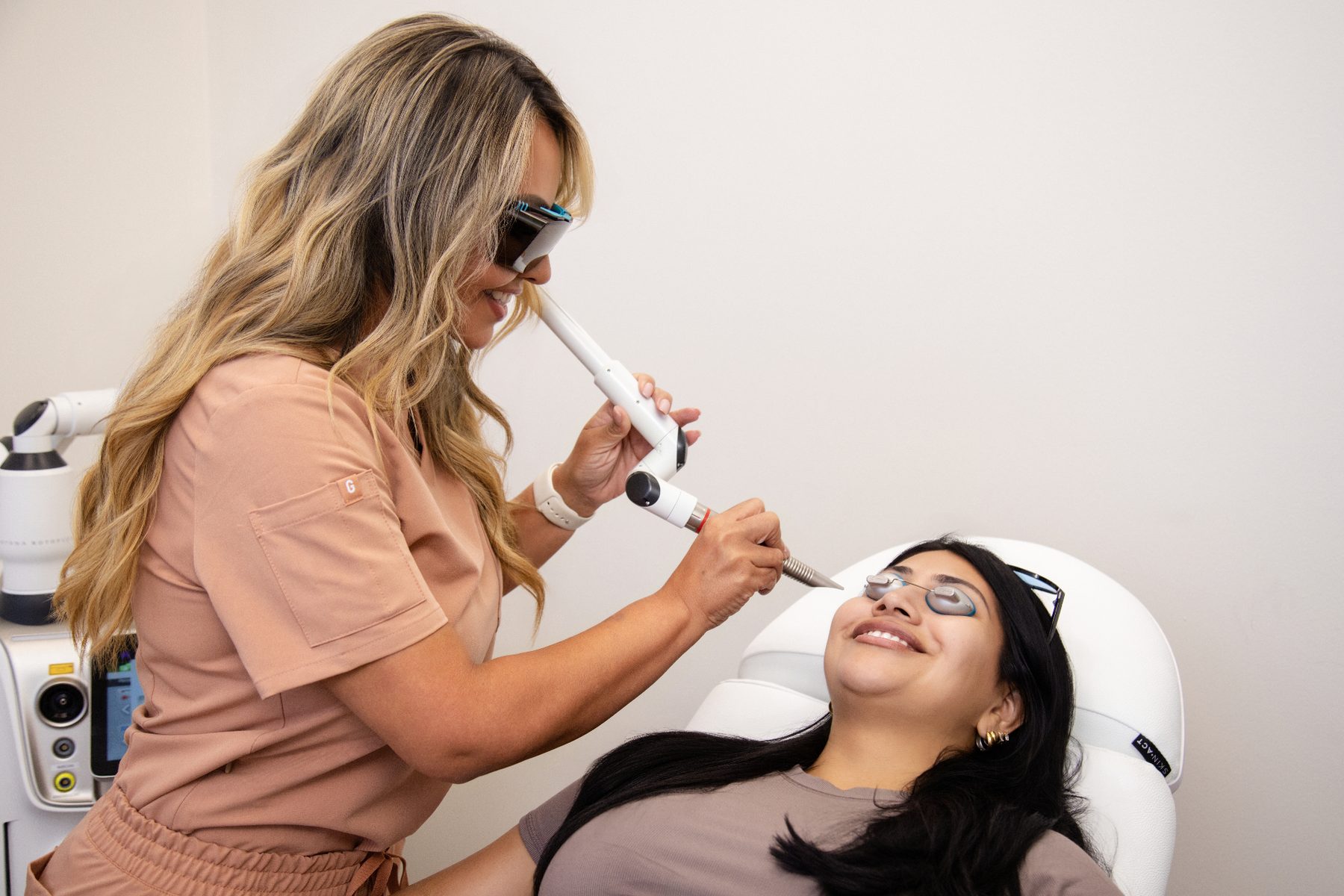
The most common request I hear from patients considering laser rejuvenation is surprisingly modest. They are not asking to look twenty years younger. They are not chasing a dramatic, obvious change. What they want is to look less tired, less creased, less deflated, and still recognizably themselves. That is exactly where the Fotona 4D Laser Facial (TimeWalker) tends to shine.
It occupies a useful middle ground in aesthetic medicine. It is more active than a routine facial, more comprehensive than a single superficial laser pass, and far less disruptive than surgery. For the right person, it can soften early sagging, improve skin texture, stimulate collagen, and brighten the face without creating the overtreated look people fear.
That phrase, “natural-looking rejuvenation,” gets used too casually in this field. With Fotona 4D, it has a specific meaning. The treatment works at multiple depths, including from inside the mouth, to support tissue rather than simply blasting the skin surface. The face still moves. The features still match. Makeup sits better. Light reflects more evenly across the cheeks. The jawline may look cleaner, but not suspiciously sharp. Friends often notice that someone looks rested before they notice anything “done.”
What Fotona 4D actually is
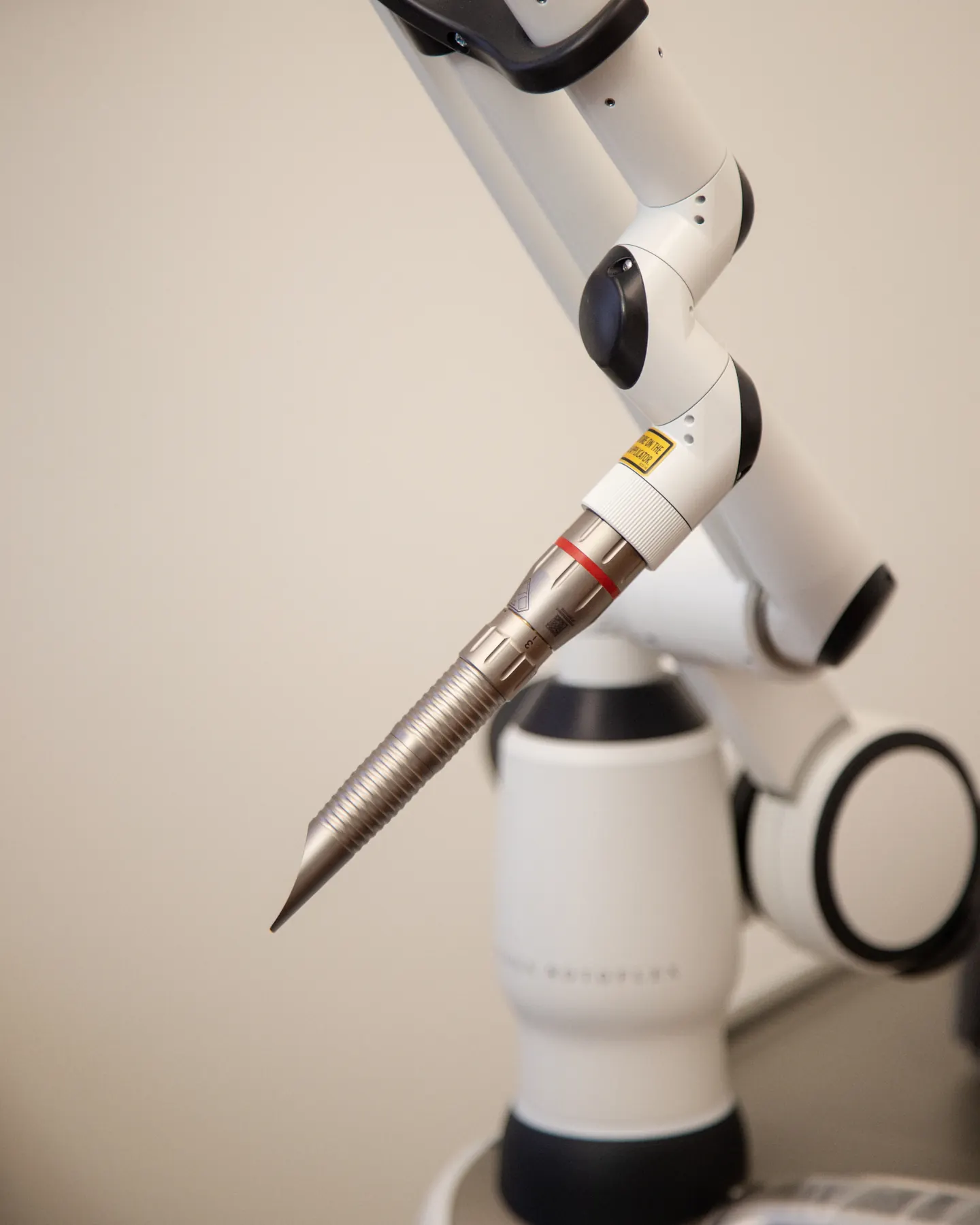
Fotona 4D is not one laser shot and not one layer of treatment. It is a structured sequence that combines different modes of Er:YAG and Nd:YAG laser technology in one session. Depending on the clinic, platform, and how the provider describes it, you may also hear the treatment linked to the TimeWalker system. The core idea is consistent: use complementary laser steps to target laxity, texture, tone, and fine lines in a staged, layered way.
The “4D” refers to four dimensions or phases of treatment rather than four separate appointments. One of the distinctive elements is the intraoral component, where the laser is used inside the mouth to heat tissue along the cheeks and around the perioral area. That sounds unusual the first time people hear it, but it is one of the reasons the treatment can support the nasolabial folds and lower face with less downtime than ablative resurfacing.
A well-performed session typically addresses the face from several angles. Deep thermal stimulation encourages remodeling. More superficial passes improve surface quality. Areas that often look tired first, such as around the mouth, under the eyes, and across the midface, can be treated in a coordinated way instead of with isolated spot work. That layered approach is why results often look harmonious rather than piecemeal.
Why patients gravitate toward it
There has been a clear shift in how people think about cosmetic procedures. Patients still want meaningful results, but they are more wary of looking altered. Many would rather build improvement gradually than disappear for two weeks and return with a face that provokes questions.
Fotona 4D appeals to that mindset. The downtime is usually manageable. The treatment can be customized. It tends to suit people who are starting to see soft tissue descent, crepiness, enlarged pores, dullness, and fine lines, but who are not ready for surgery and do not necessarily want injectables to carry all the workload.
It is also popular among patients who dislike the “filled” look. Fillers can be excellent tools, particularly for restoring volume in strategic areas, but they are not the answer to every sign of aging. Skin quality, collagen support, and tissue tone matter just as much. A face can be volumized and still look tired if the skin is rough, lax, or uneven. Laser treatments such as Fotona 4D address that side of the equation.
In practice, some of the happiest patients are the ones who say things like, “I don’t mind looking my age. I just don’t want to look run down.” That is a very realistic goal, and realistic goals usually produce the best treatment relationships.
The four phases, and why each one matters
Clinics describe the phases a little differently, but the treatment generally combines four complementary stages. The first is often the SmoothLiftin component, performed intraorally. This step heats the mucosal tissue inside the mouth, usually along the cheeks and perioral area, to stimulate collagen remodeling. Patients are often surprised that this can be done comfortably. It feels warm and unusual more than painful, and it avoids surface injury while still addressing a common complaint, which is softening around the mouth and midface.
The second phase often uses a deeper Nd:YAG setting to target tissue laxity and encourage collagen contraction. This is where some of the “tightening” conversation comes in, though I always prefer that word to be used carefully. Non-surgical tightening is real, but it is not surgical lifting. What patients tend to see is a subtle firmer look, especially after a series, not a dramatic repositioning of heavy tissue.
A third phase may focus on more superficial imperfections, such as textural irregularity, enlarged pores, and fine lines. This is where the skin can start to take on that smoother, more polished finish people associate with rejuvenation. Light bounces differently off refined skin texture, and that alone can make a face look fresher.
The final phase often includes a light peel or polishing effect with the Er:YAG laser. This can help brighten the complexion and improve the immediate post-treatment look once the temporary redness settles. The treatment does not have to be aggressively ablative to be useful. In fact, for many working professionals, the ability to get visible improvement without a prolonged recovery is the entire point.
What matters most is not memorizing each branded step but understanding the clinical philosophy behind them. The provider is trying to stimulate deeper support, improve the skin envelope, and create a result that reads as healthy rather than processed.
What the treatment feels like
Most people tolerate Fotona 4D well, especially when the settings are matched sensibly to the patient. There is usually a sensation of heat, light snapping, and movement across the skin. The intraoral part feels odd at first, but not unbearable. Some clinics use topical numbing for portions of the session, while others may not need much depending on the protocol.
Pain expectations need a little honesty. This is not the same as lying under a hydrating mask. It is still a laser treatment. Sensitive patients, those with a low Fotona 4D Laser Facial (TimeWalker) heat threshold, and anyone having stronger settings or combination work may find parts of it uncomfortable. The upside is that discomfort is usually short-lived and far less intense than more aggressive resurfacing treatments.
Afterward, the skin often looks pink to red, feels warm, and may seem slightly puffy, especially around the cheeks and under the eyes. Some people describe a “tight” or dry sensation for a few days. If the provider includes a more active superficial pass, there may be fine roughness or a bronzed texture before the skin smooths out. Social downtime is often measured in days rather than weeks, but that range matters. One person may feel fine for meetings the next day with tinted sunscreen, while another may want three to five days before social events.
Who tends to benefit most
Fotona 4D works best when the signs of aging are present but not too advanced. It can be a smart option for men and women in their thirties through sixties, though age is less important than tissue quality, skin type, and goals.
The strongest candidates often include people who notice early jowling, mild to moderate lower-face laxity, etched lines around the mouth, textural roughness, and a general loss of skin vitality. It is also useful for patients who want a collagen-focused treatment but are hesitant about injectables or surgery.
There are also patients for whom it is not the ideal first move. If someone has very heavy skin laxity, prominent jowls, or significant neck sagging, a non-surgical laser treatment may underdeliver relative to expectations. The same is true for deep static folds caused by structural volume loss. In those cases, a better plan might involve a combination of treatments, or a frank conversation about surgery if the goal is a major lift.
A quick way to think about it is this:
- Best for subtle to moderate rejuvenation, texture, and collagen support
- Less effective for major sagging that needs surgical repositioning
- Often excellent as part of a maintenance plan after other treatments
- Useful for patients who value natural change and limited downtime
That middle lane is where the treatment earns its reputation.
The results people actually notice
The first thing patients often notice is not “tightness” in the dramatic sense. It is usually luminosity and smoother texture. Skin may look cleaner, pores less conspicuous, and makeup may sit more evenly. Then, over the following weeks and months, the collagen effects begin to build. The face can look a touch firmer, the area around the mouth slightly less crumpled, and the lower cheeks a bit more supported.
That delayed component matters. Laser collagen remodeling is not an instant-gratification treatment in the same way neuromodulators can be for crow’s feet or forehead lines. There may be some early visible improvement from swelling and surface refinement, but the more meaningful structural changes generally take time. Most providers counsel patients to evaluate results over roughly two to three months, sometimes longer depending on the treatment intensity and whether sessions are repeated.
The naturalness comes from exactly that pacing. The face evolves rather than flips overnight. In clinical practice, this tends to reduce the awkward transition where a patient feels they look obviously altered for a short period.
One practical note from experience: patients who photograph themselves in harsh bathroom lighting the day after treatment often panic unnecessarily. Pinkness, temporary puffiness, or dryness can obscure the eventual outcome. It is much more useful to compare well-lit photos taken before treatment and again several weeks later.
How many sessions are usually needed
This is one of the most important expectation-setting points. A single Fotona 4D Laser Facial (TimeWalker) session can absolutely refresh the skin, but one session is not always enough to produce the degree of change patients imagine when they hear phrases like “lift” or “rejuvenation.”
Many clinics recommend a course of treatments, often spaced several weeks apart, followed by maintenance. The exact number depends on the baseline condition of the skin, age-related changes, treatment settings, and budget. Someone in their late thirties with mild early changes may be pleased after one or two sessions. Someone with more visible laxity and sun damage may need a series before the result feels worthwhile.
This is where provider honesty matters. Overselling a one-off treatment usually leads to disappointment. Framing it as collagen training for the skin is often more accurate. You are nudging the tissue toward better structure and better quality, then maintaining those gains over time.
Downtime, aftercare, and the small details that affect outcome
The recovery is often described as minimal, but minimal does not mean nonexistent. The skin barrier still needs support. Heat-based treatments and resurfacing steps can leave the skin dehydrated and temporarily reactive. Gentle cleansing, bland moisturizers, and diligent sun protection are standard. For a few days, most people should avoid harsh acids, scrubs, retinoids, and intense workouts if those activities worsen flushing.
The aftercare basics are straightforward:
- Keep the skin cool, clean, and well moisturized
- Use broad-spectrum sunscreen carefully and consistently
- Avoid active skincare until the provider says the barrier is ready
- Do not pick at rough or flaking areas
- Plan treatment away from major social events if possible
Those simple measures do more for comfort and healing than expensive add-ons.
One scheduling tip I often give is not to book this for the first time right before a wedding, reunion, speaking engagement, or professional photo session. Even if downtime is usually mild, “usually” is not the same as “guaranteed.” It is much wiser to test your response in a lower-stakes window.
How it compares with other popular rejuvenation options
Fotona 4D sits in an interesting place between several categories. Compared with a standard hydrafacial-type treatment, it is much more biologically active and capable of longer-lasting change. Compared with aggressive ablative resurfacing, it is generally gentler with less downtime, though usually less dramatic in one pass. Compared with radiofrequency microneedling, it may offer a different texture and tightening profile, and patient preference often comes down to tolerance, skin concerns, and provider expertise.
Compared with fillers, the distinction is even more important. Fillers replace volume. Fotona 4D does not replace volume in the same direct way. It supports collagen and improves the skin envelope. That means it can complement fillers beautifully, but it cannot always substitute for them. A hollow midface will not become fully volumized through laser energy alone. On the other hand, a patient with acceptable volume but poor texture and mild laxity may benefit more from laser than from adding filler.
For some patients, the best result comes from combination planning over time rather than betting everything on one modality. That might mean neuromodulator for dynamic lines, selective filler where volume loss is true and structural, and Fotona 4D for skin quality and collagen support. Good aesthetic medicine is rarely about picking a winner. It is about matching the right tool to the right problem.
Safety, skin type, and why expertise matters
Laser treatments are heavily operator dependent. That is not marketing language, it is daily reality. The same device can produce elegant results in experienced hands and frustrating results in inexperienced ones. Settings matter. Sequencing matters. Patient selection matters. So does understanding skin tone, recent sun exposure, melasma history, medications, rosacea tendency, and whether the patient forms post-inflammatory pigmentation easily.
This is especially relevant in patients with darker skin tones or reactive skin conditions. Many can be treated safely, but protocols may need modification and caution. Anyone promising a one-size-fits-all approach is glossing over the real clinical work.
The consultation should feel specific. A strong provider will ask about your goals, timeline, prior procedures, history of cold sores if the perioral area is treated, active acne, pigment concerns, and how much downtime you can realistically manage. They should also be clear about what the treatment cannot do. That candor is usually a very good sign.
Cost, value, and how to think about the investment
Pricing varies widely by region, clinic reputation, provider expertise, and whether the treatment includes face only or extends to the neck, eyes, or additional resurfacing steps. It is usually not the cheapest facial-style treatment on a menu, nor should it be evaluated like one. You are paying for a laser procedure, clinical judgment, device quality, and a treatment plan.
The more useful question is not “Is it expensive?” but “Is it a good fit for what I want?” A patient who wants one treatment, one weekend of downtime, and one dramatic facelift-level change is likely to feel the value is poor, because the expectation is wrong. A patient who wants a gradual, believable improvement in skin quality and mild laxity may feel the value is excellent.
I often advise patients to budget for the full plan rather than the first session alone. If a provider believes you need a course of treatments, calculate whether that course is realistic for you before starting. Stopping halfway through a collagen-based plan often leads to underwhelming impressions of an otherwise good technology.
The understated advantage: it ages well
One of the reasons I respect treatments like Fotona 4D is that they tend to age well on the face. Because the improvement comes from stimulating tissue response and refining skin quality, the result is less likely to read as a trend. It does not depend on exaggerated contours or overcorrection. Five years from now, a patient who has maintained their skin with sensible laser work usually still looks like themselves, just better preserved.
That may be the real appeal of the Fotona 4D Laser Facial (TimeWalker). It does not force a dramatic aesthetic identity onto the face. It supports what is already there. For patients who want rejuvenation without theatrical change, that restraint is not a compromise. It is the point.
Choosing it well comes down to three things: realistic expectations, a qualified provider, and a plan that respects your anatomy rather than trying to overpower it. When those line up, the result can be exactly what many people are quietly searching for, a fresher face that no one can quite explain, and that you do not have to apologize for.
OMNIA Wellness Center
Address: 16430 Ventura Blvd Ste 207, Encino, CA 91436
Phone: (818) 386-8511
FAQ About Fotona 4D Laser Facial (TimeWalker)
What are the benefits of Fotona laser treatment?
OMNIA offers this treatment for concerns such as uneven texture, dull tone, and fine lines. Results and the number of sessions vary, so discuss your goals with a provider.
Is Fotona laser safe?
A qualified provider should review your skin, medical history, medications, and recent sun exposure to determine whether the treatment is appropriate. Ask about possible irritation, pigment changes, and aftercare before booking.
How much does a Fotona 4D facelift cost?
Price depends on the treatment plan and number of visits. Ask OMNIA for an itemized estimate during your consultation.